⚠️ Opening hours, prices and access conditions may change without notice, for reasons beyond our control (season, weather, decisions by operators, establishments or local authorities). Before each trip, check the information with the relevant authorities and service providers. Entry formalities and local rules (reserves, quotas) are subject to the same caveats.
With some 6,000 islands and islets, just over 200 of them inhabited, Greece has one of the most beautiful archipelagos in the world. The white villages of the Cyclades, the turquoise beaches of the Ionian Islands, the medieval towns of the Dodecanese, the mountains of Crete: each island group has its own character, and ferries make them easy to combine.
The Greek islands at a glance
Click an island in orange to open its guide. The blue figures show travel times from Athens, by plane (✈) or by boat (⛴); the arrow, flight times from Paris.
Base map: Natural Earth (public domain) · Some island outlines: © OpenStreetMap contributors (ODbL)
The great Greek archipelagos
In the middle of the Aegean, the Cyclades are the very image of Greece: white houses, blue chapels and the meltemi wind (Santorini, Mykonos, Naxos, Paros, Milos). The Dodecanese, near the Turkish coast, bears the mark of the Knights of St John (Rhodes, Kos), and Crete, the country's largest island, is a world of its own.
To the west, the Ionian Islands (Corfu, Lefkada, Kefalonia, Zakynthos) are greener, shaped by Venetian influence, with beaches at the foot of cliffs. In the north, the Sporades (Skiathos) mix pine forests and coves, while the Saronic islands, such as Hydra or Aegina, are a short boat ride from Athens.
When to go to the Greek islands?
The best time is May to June and September to mid-October: the sea is already or still warm (21 to 25 °C), the light is superb and prices are gentler. July and August are very hot and very busy, and the meltemi blows hard in the Cyclades.
From April to early May and in October, the islands are ideal for hiking. In winter, many hotels and ferry routes stop, except on Crete, Rhodes, Corfu and the most populated islands.
How to get to the Greek islands from Europe?
Athens is served year-round from the main European cities (about 3 h 15 from Paris, 3 h 45 from London). From April to October, many direct flights also serve the islands: Crete, Rhodes, Corfu, Kos, Santorini, Mykonos, Zakynthos or Kefalonia.
From Athens, ferries leave from Piraeus (Cyclades, Crete, Dodecanese) and Rafina (northern Cyclades). The Ionian Islands are reached by road to Kyllini, Patras or Igoumenitsa, and the Sporades from Volos or Agios Konstantinos.
Formalities and safety
Greece is part of the European Union and the Schengen area: EU citizens only need a valid ID card or passport; other travellers should check entry requirements, including the EU's new electronic travel authorisation where applicable. Travel insurance is strongly recommended.
Wildfires are a real risk in summer: respect bans on lighting fires and follow the authorities' instructions. Always check your government's travel advice before you go.
Getting around between the islands
Ferries rule: conventional ferries, slower and cheaper, and fast catamarans link the islands of the same archipelago several times a day in summer. In July and August, book your tickets early, especially if you travel with a car.
Moving from one archipelago to another, from the Cyclades to the Ionian Islands for example, almost always means going back through Athens or taking a domestic flight with Aegean, Olympic Air or Sky Express.
Budget, money and etiquette
The currency is the euro. Cards are accepted almost everywhere, but keep some cash for small tavernas and kiosks. A per-night tax, the 'climate resilience fee', is charged at hotels and is higher in high season.
Mykonos and Santorini are much more expensive than Naxos, Paros, Crete or the Ionian Islands. Clothing covering shoulders and knees is expected in monasteries and churches.
The essentials
| Capital | Athens |
|---|---|
| Islands | About 6,000 islands and islets, just over 200 inhabited |
| Language | Greek |
| Currency | Euro (EUR) |
| Time zone | UTC+2 (UTC+3 in summer) |
| Entry | EU: ID card or passport (Schengen); others: check requirements |
| Electricity | 230 V, type C and F plugs |
| Best time | May–June and September–October |
The Greek islands on Dem-Tukki
Cyclades
WHITE VILLAGES, BLUE CHAPELS AND MELTEMI
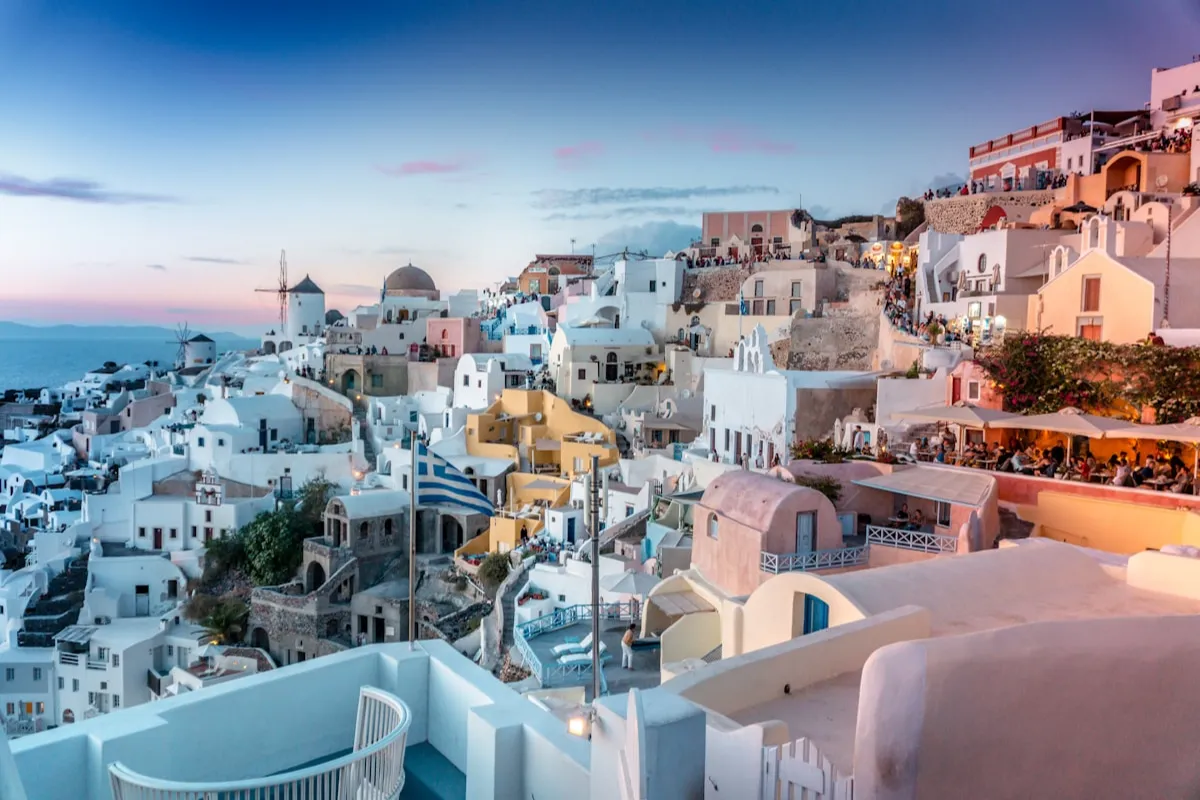
Volcanic caldera, the villages of Oia and Fira and legendary sunsets.
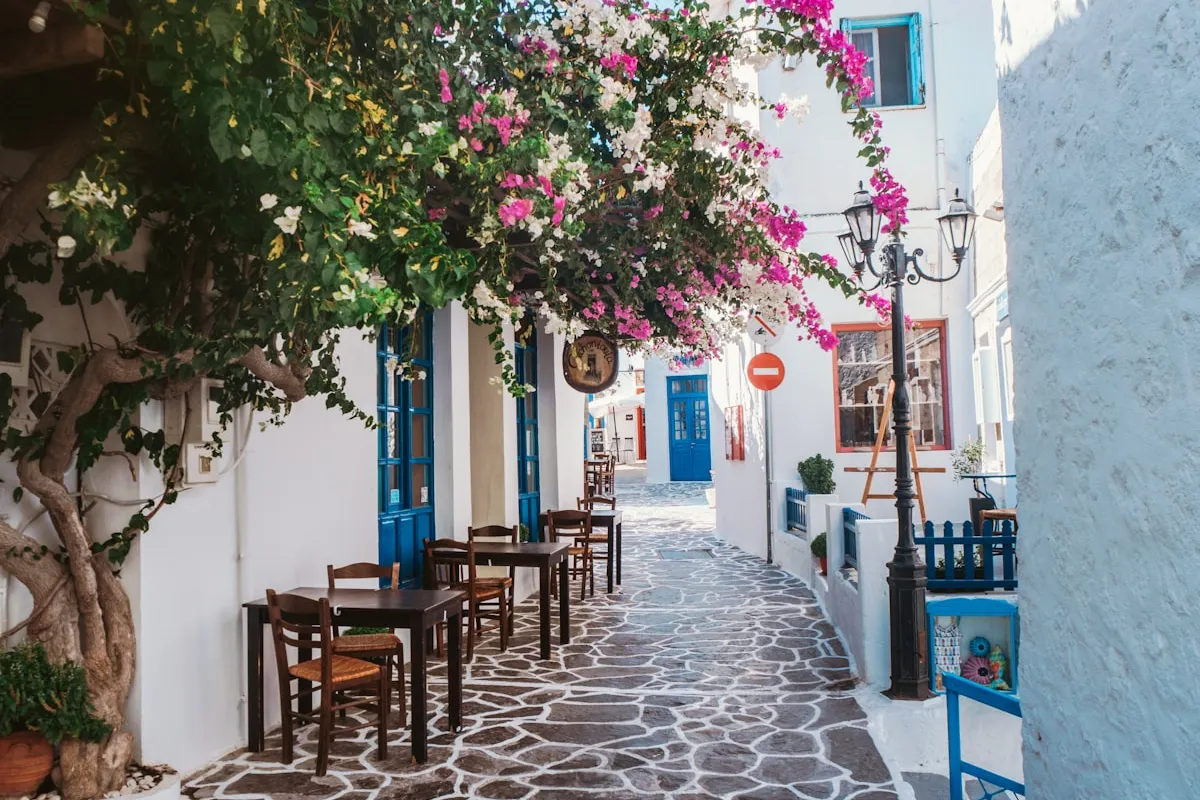
Windmills, Little Venice and lively beaches: the most festive of the Cyclades.
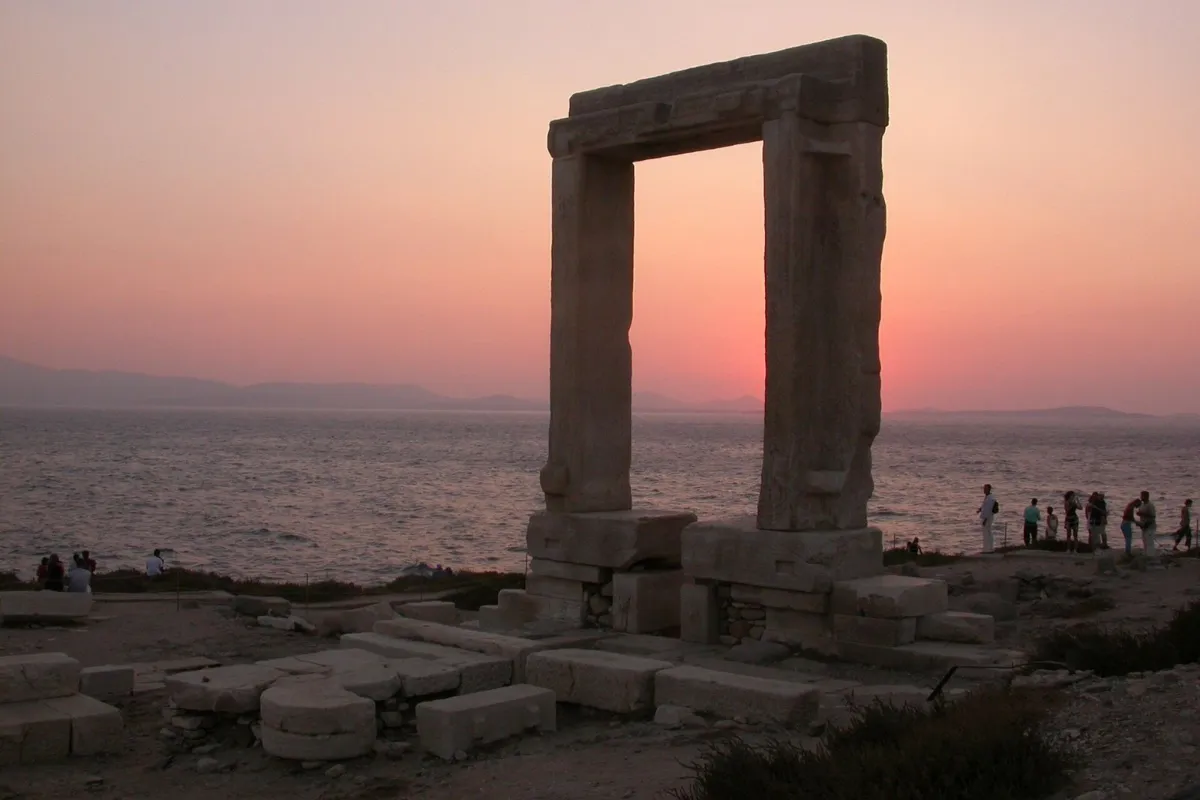
The Portara, long sandy beaches and marble villages in the mountains.
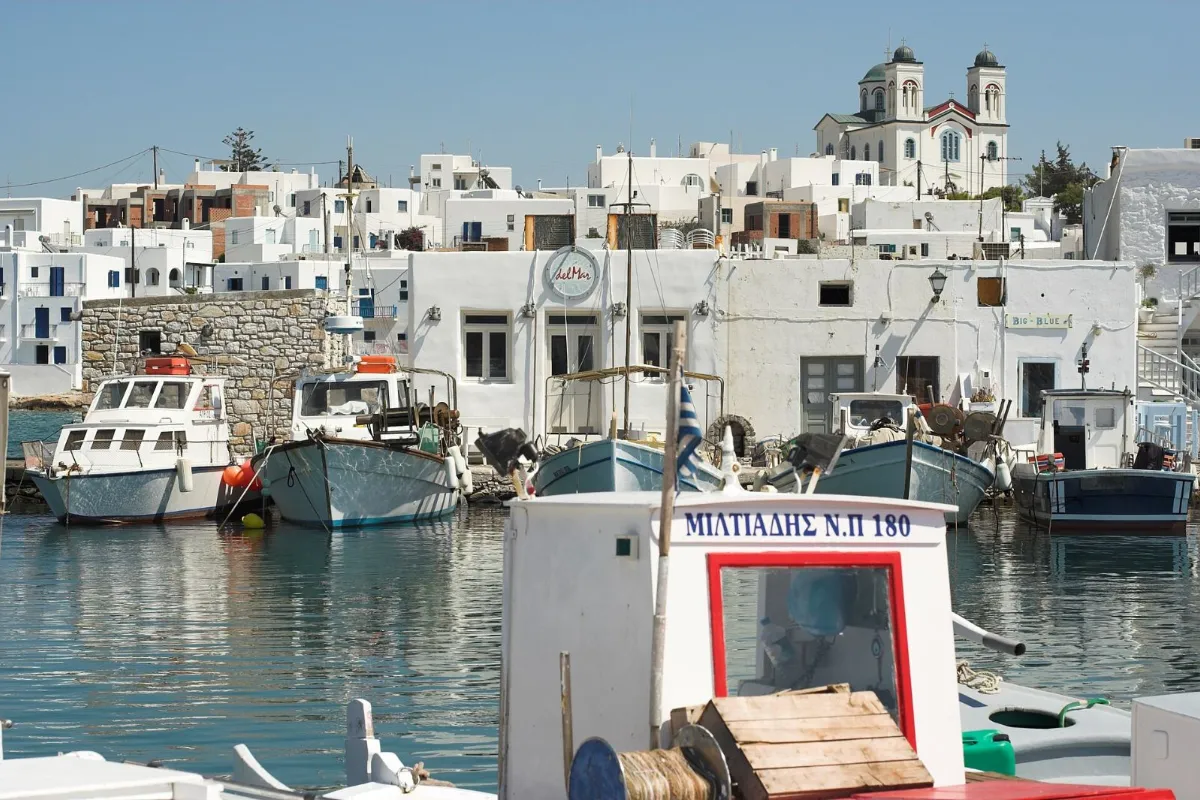
Naoussa harbour, Lefkes village and the wind spots of Pounda.
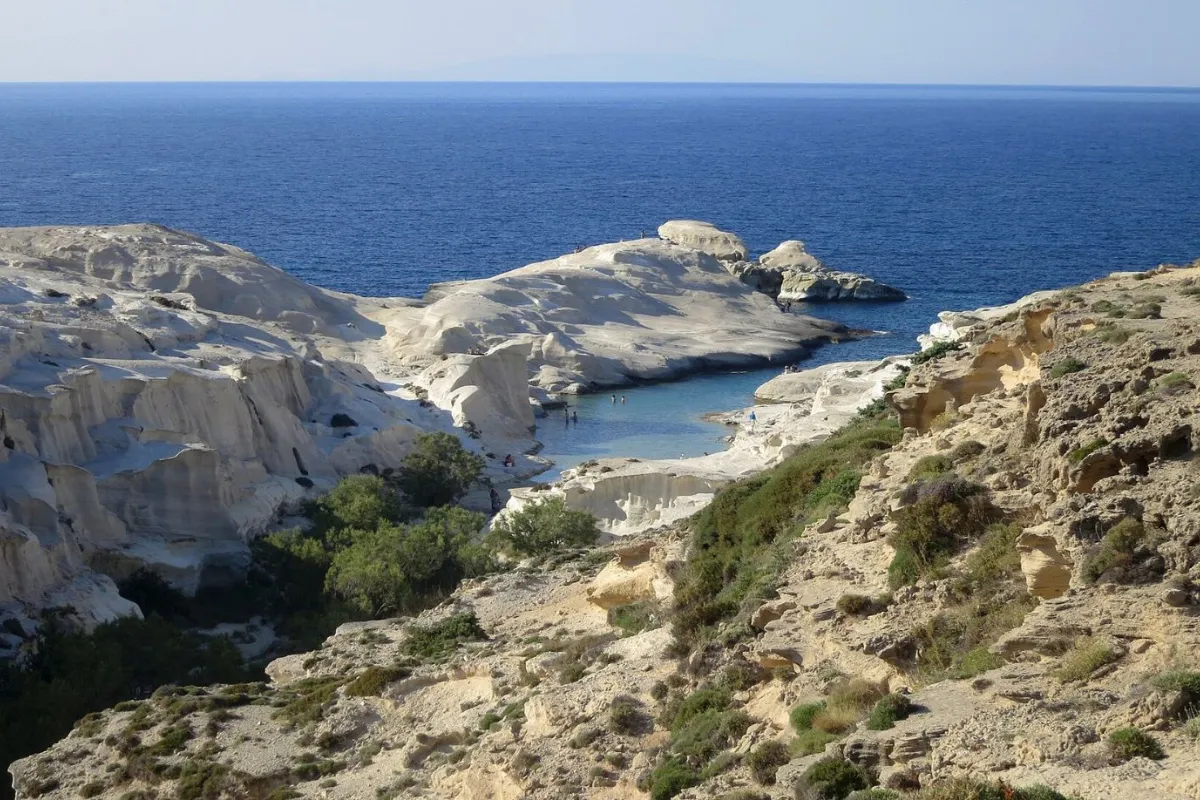
The lunar rocks of Sarakiniko, the coves of Kleftiko and colourful fishing villages.
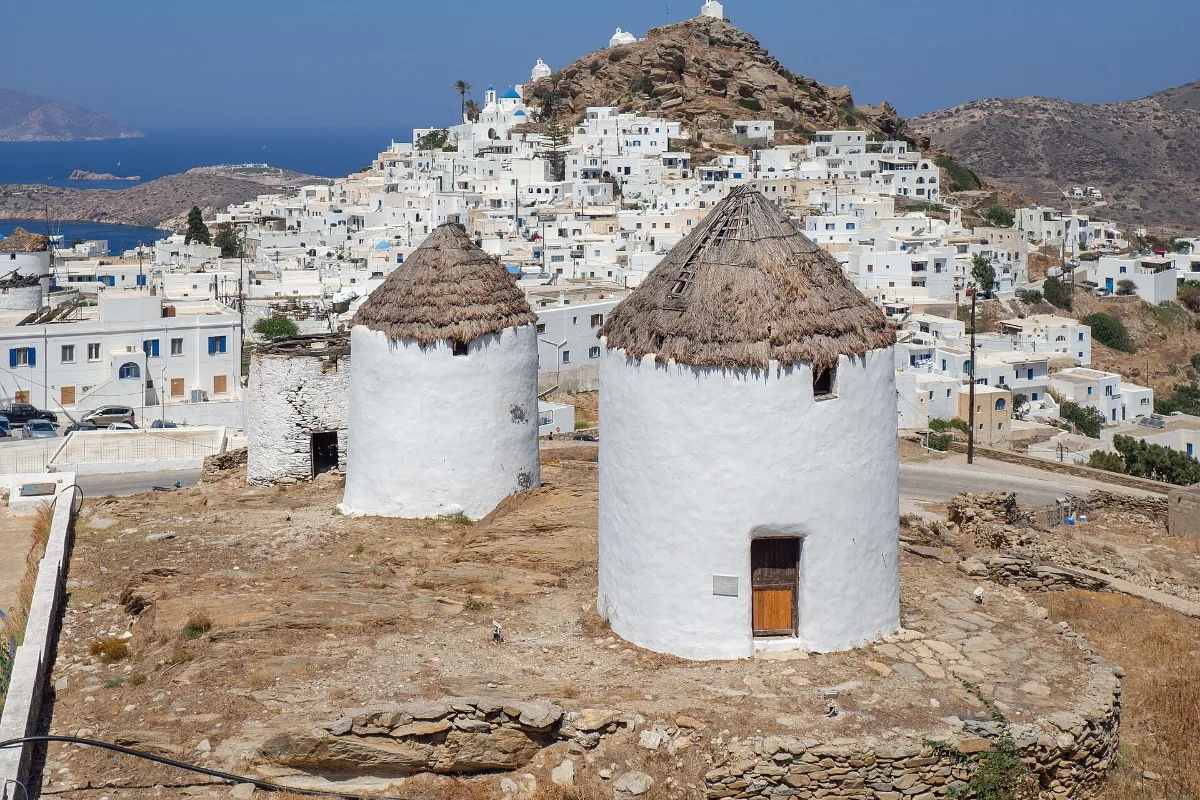
A hilltop Chora, long beaches and the legendary tomb of Homer
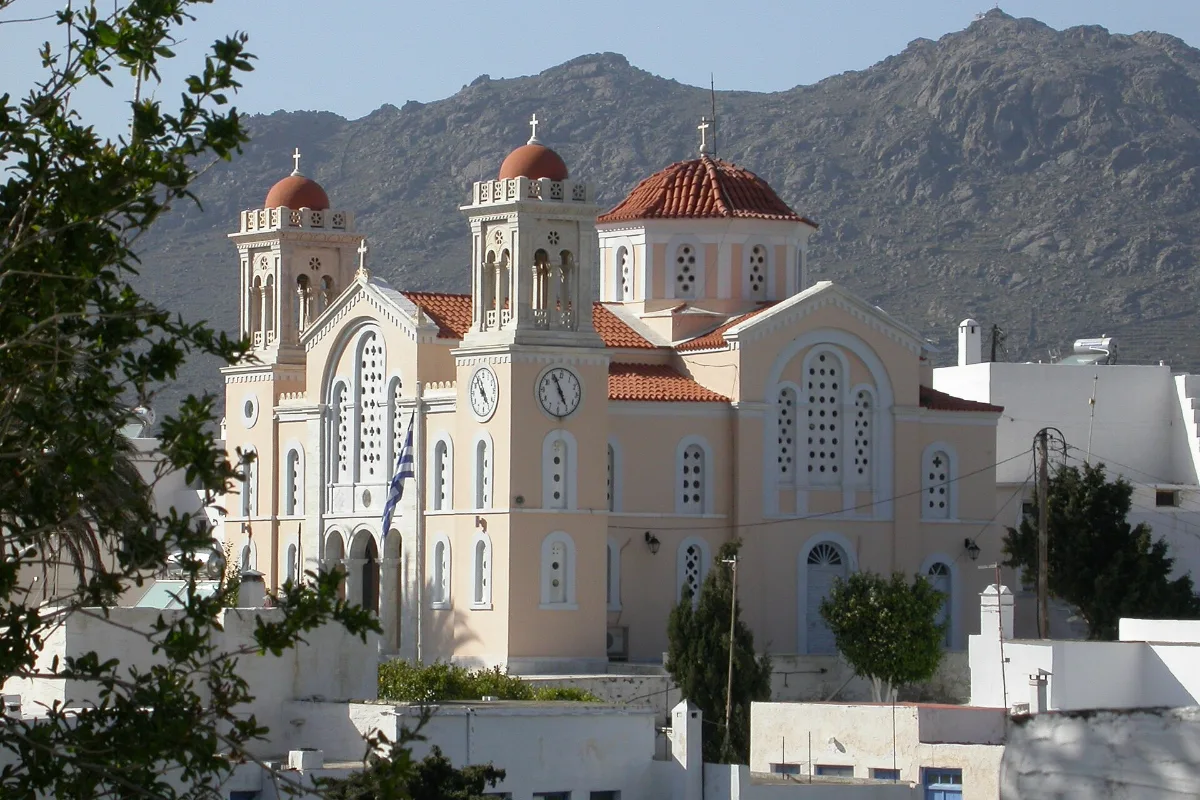
The island of marble carvers, dovecotes and the Aegean's great pilgrimage
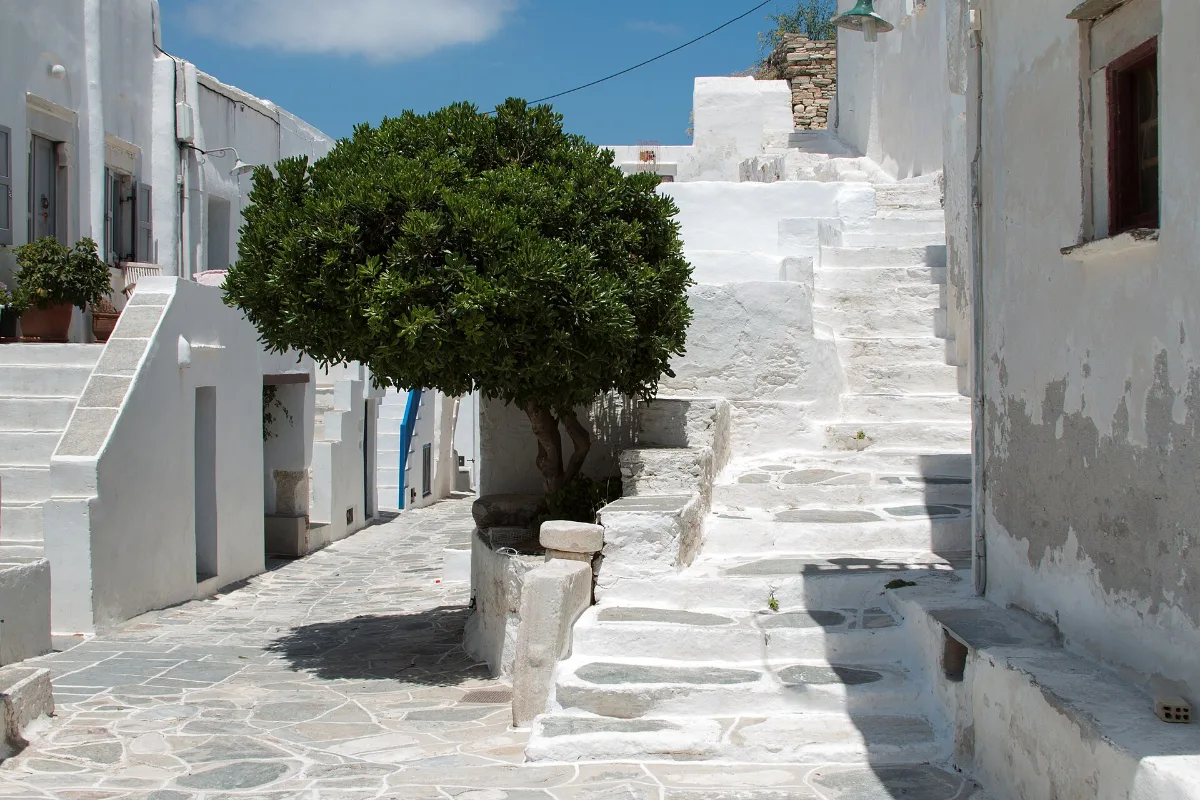
The foodie island of the Cyclades: chapels, pottery and footpaths
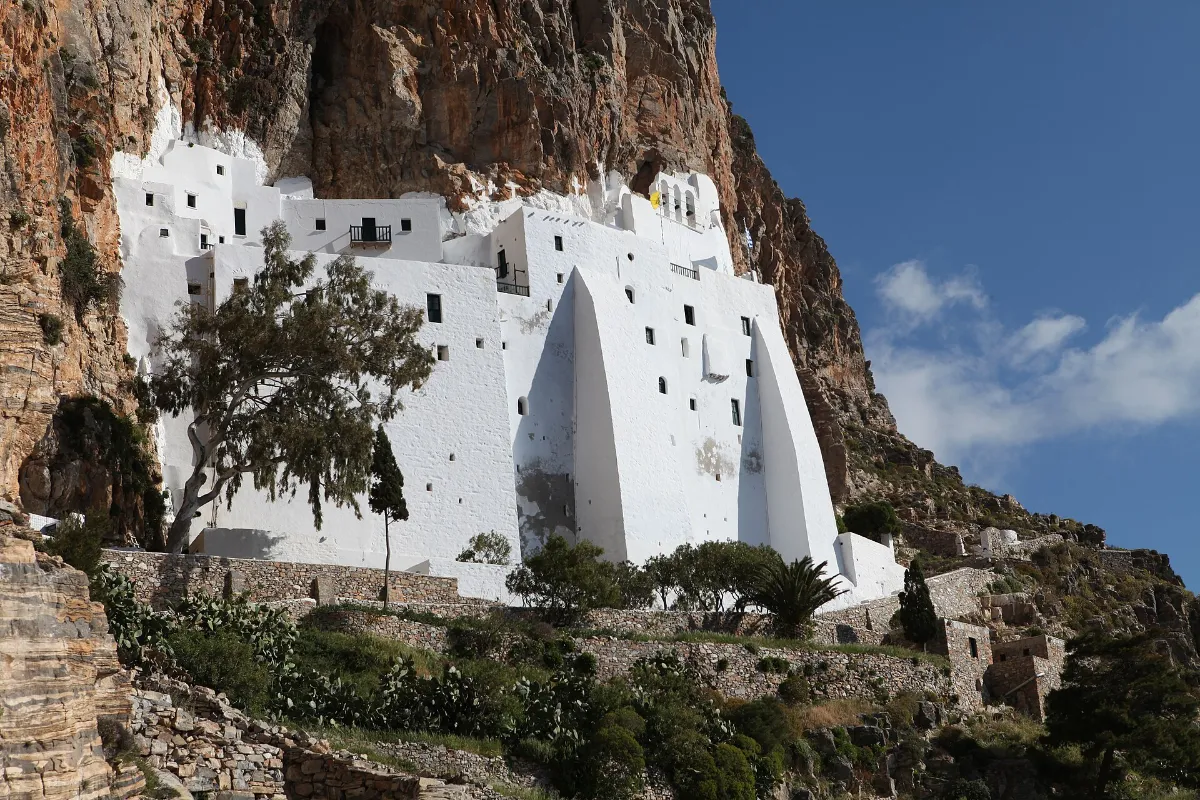
Hozoviotissa Monastery clinging to the cliff, the Palia Strata and The Big Blue.

A Chora perched on the edge of a cliff and the turquoise cove of Katergo.
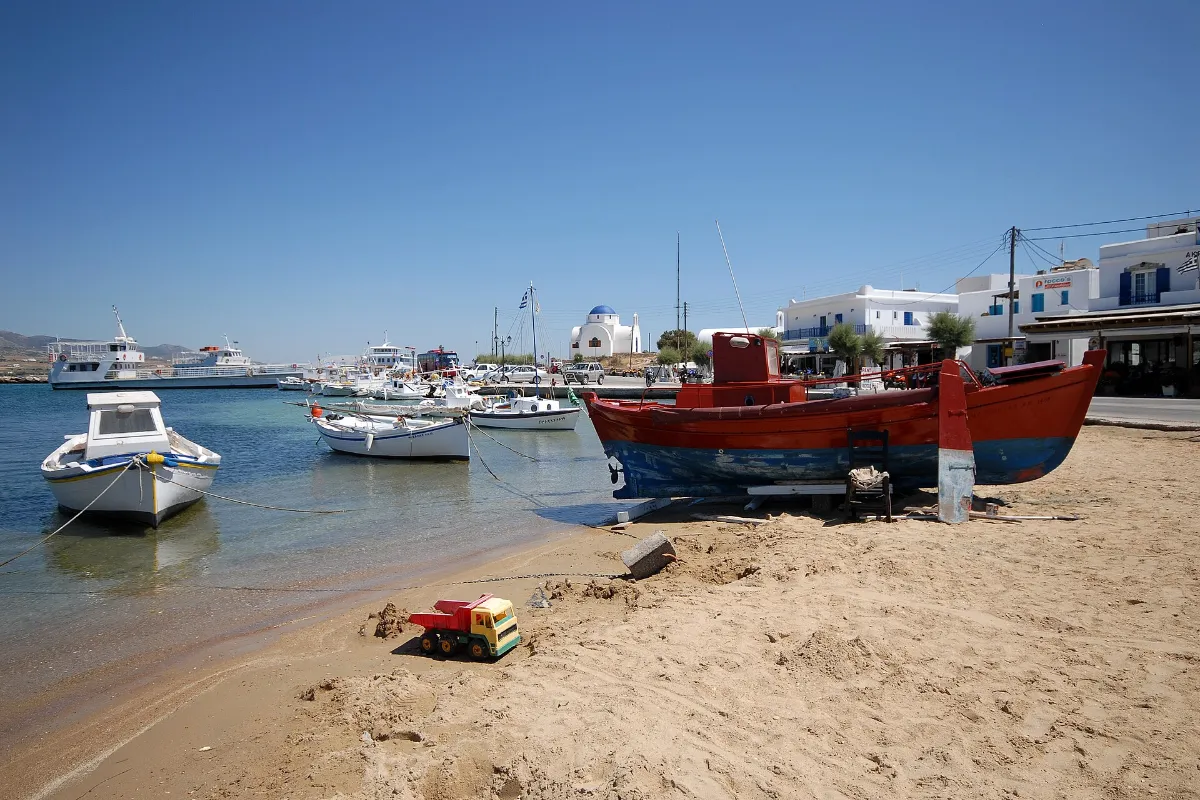
The stalactite cave, Despotiko and a laid-back village facing Paros.
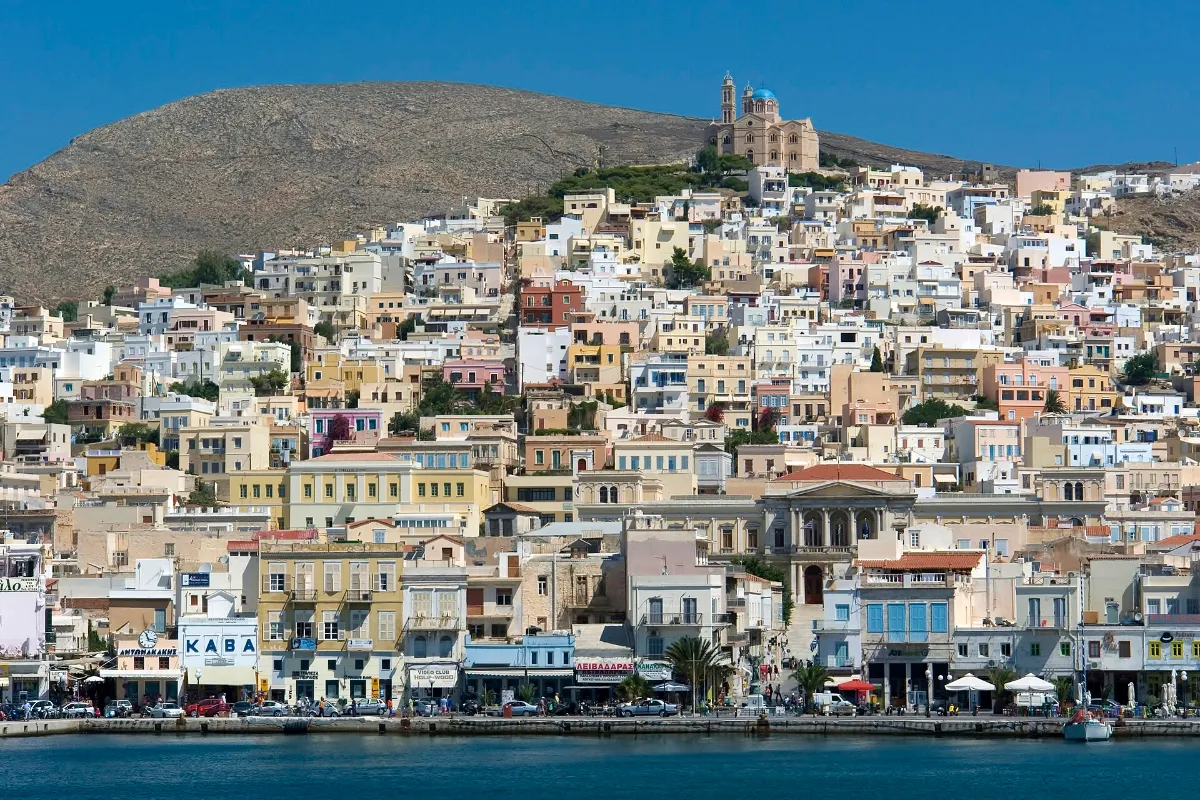
Neoclassical Ermoupoli, medieval Ano Syros and swimming at Vaporia.
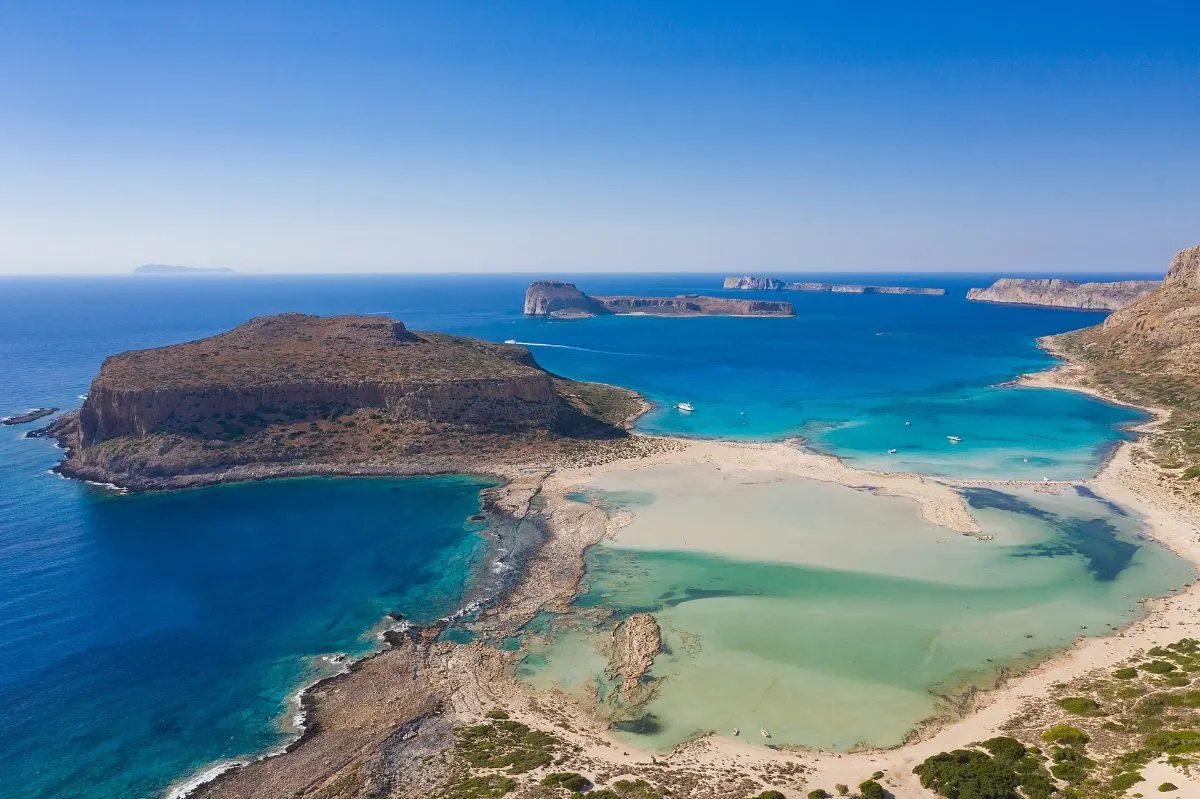
Crete
THE LARGEST GREEK ISLAND
Dodecanese
KNIGHTS, BEACHES AND THE TURKISH COAST
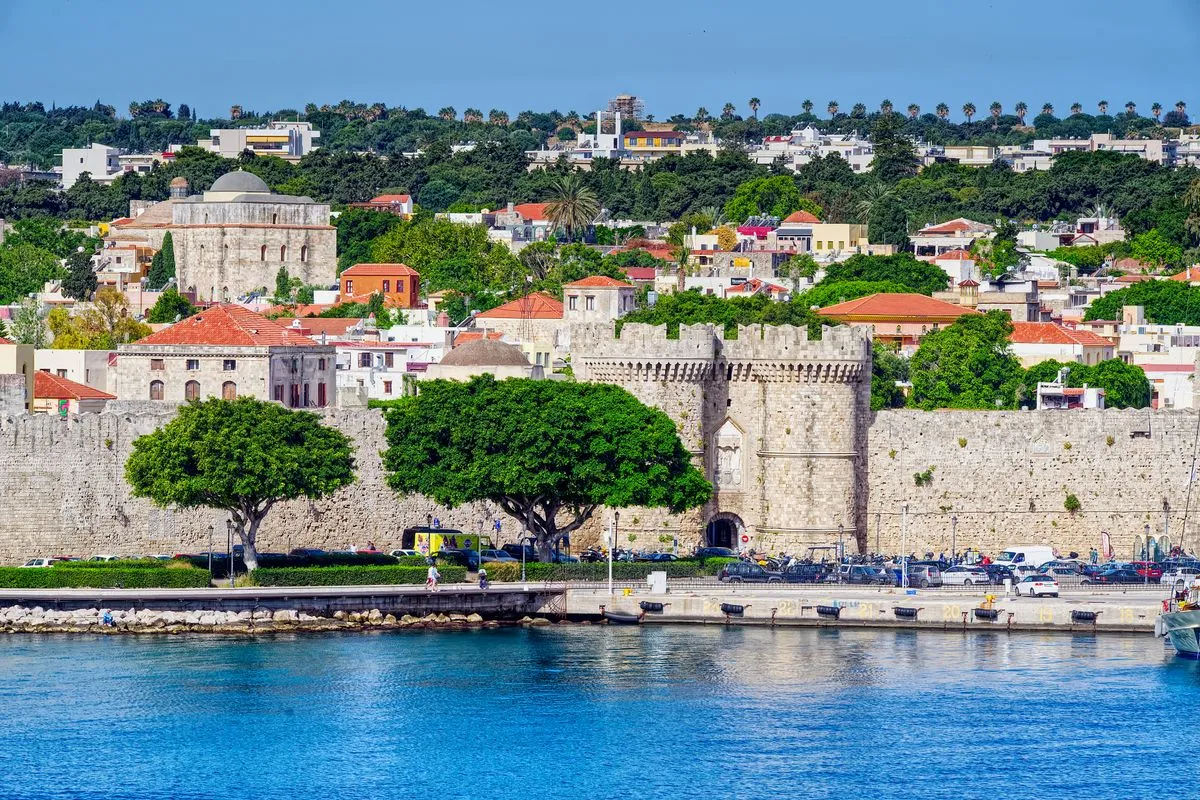
The Knights' old town, the acropolis of Lindos and sunshine all year round.
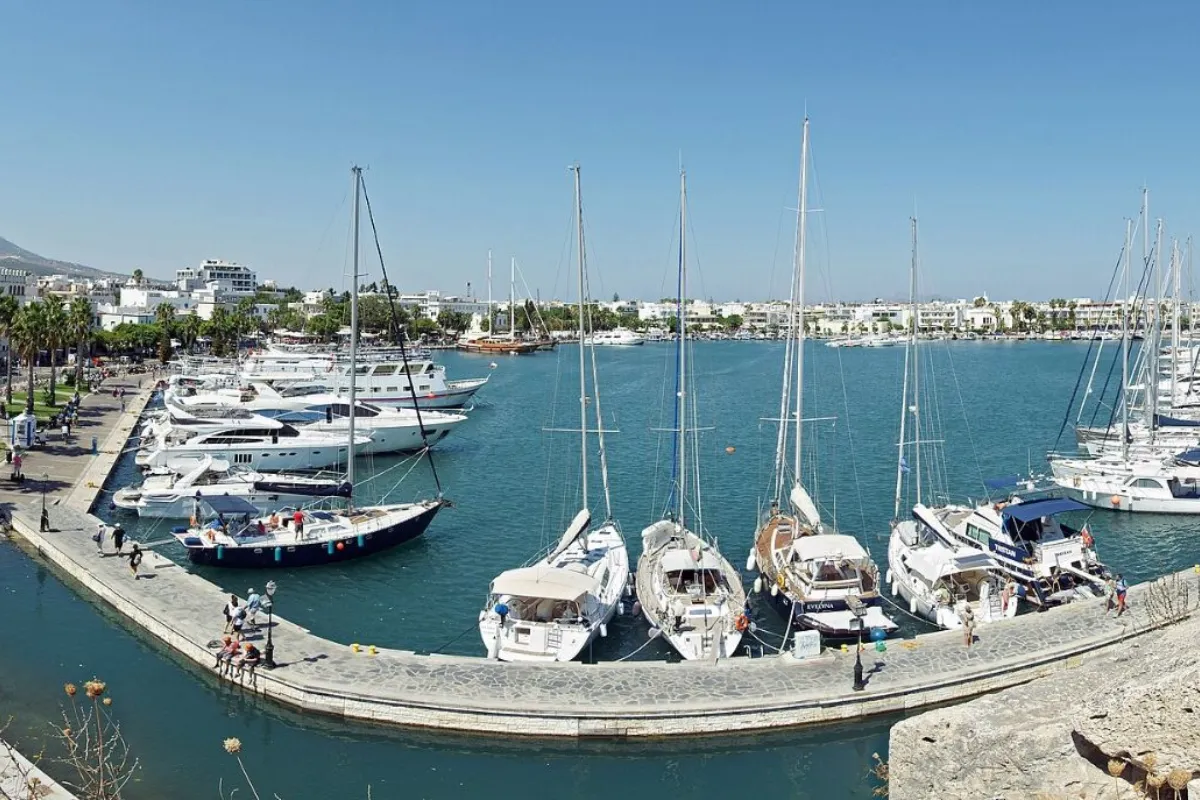
Hippocrates' Asklepieion, sandy beaches and the perfect island for cycling.
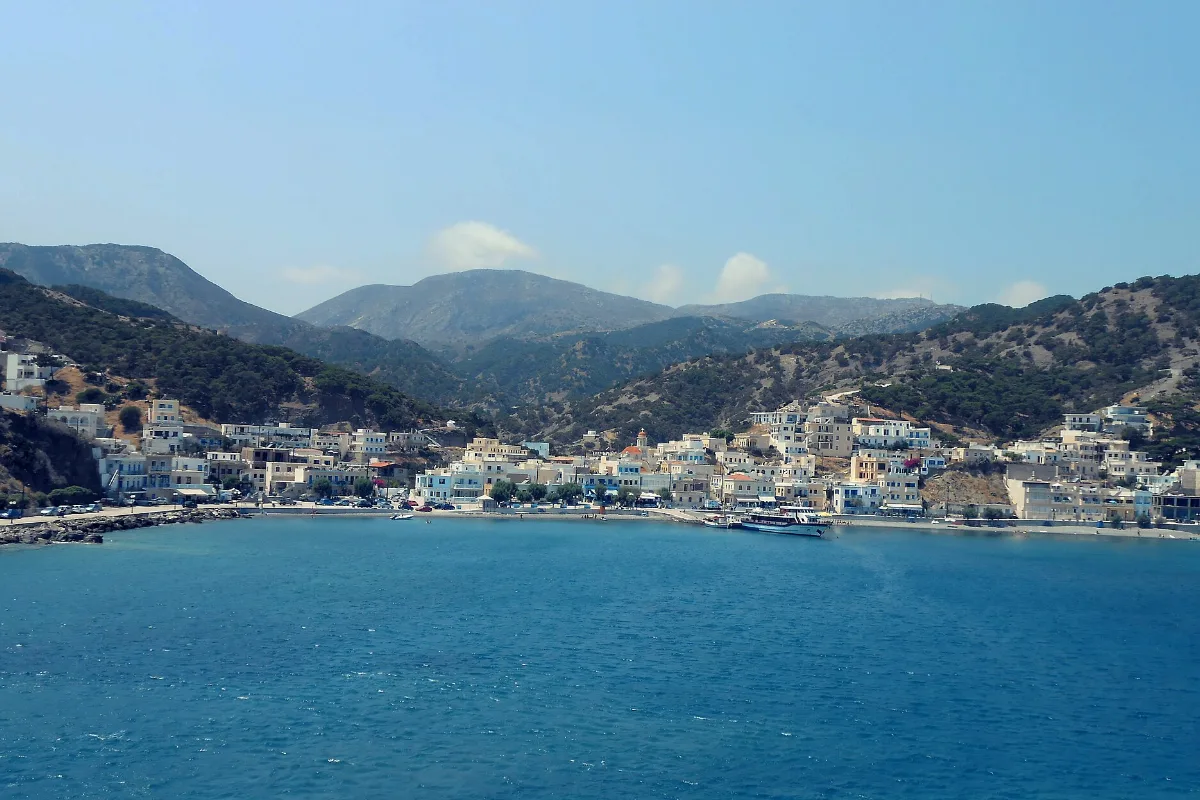
Between Rhodes and Crete, a wild island where traditions are still alive
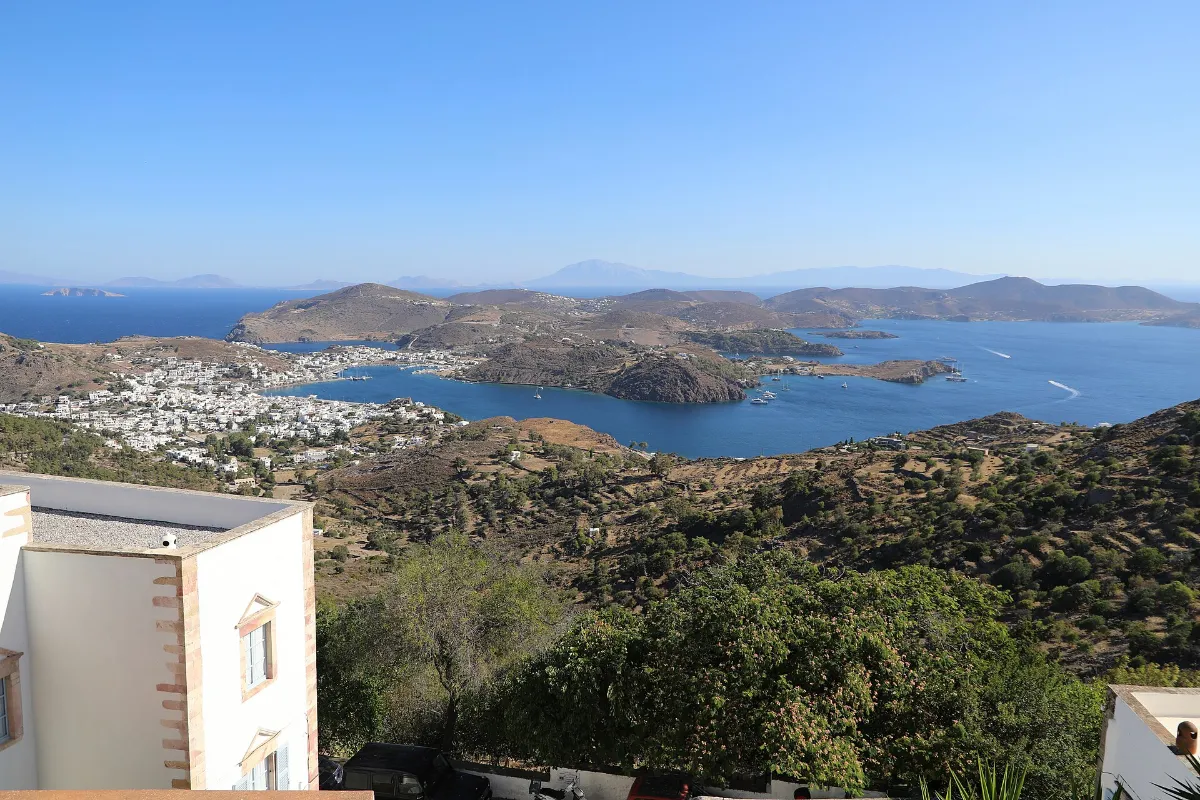
The Monastery of St John and the Cave of the Apocalypse, listed by UNESCO.
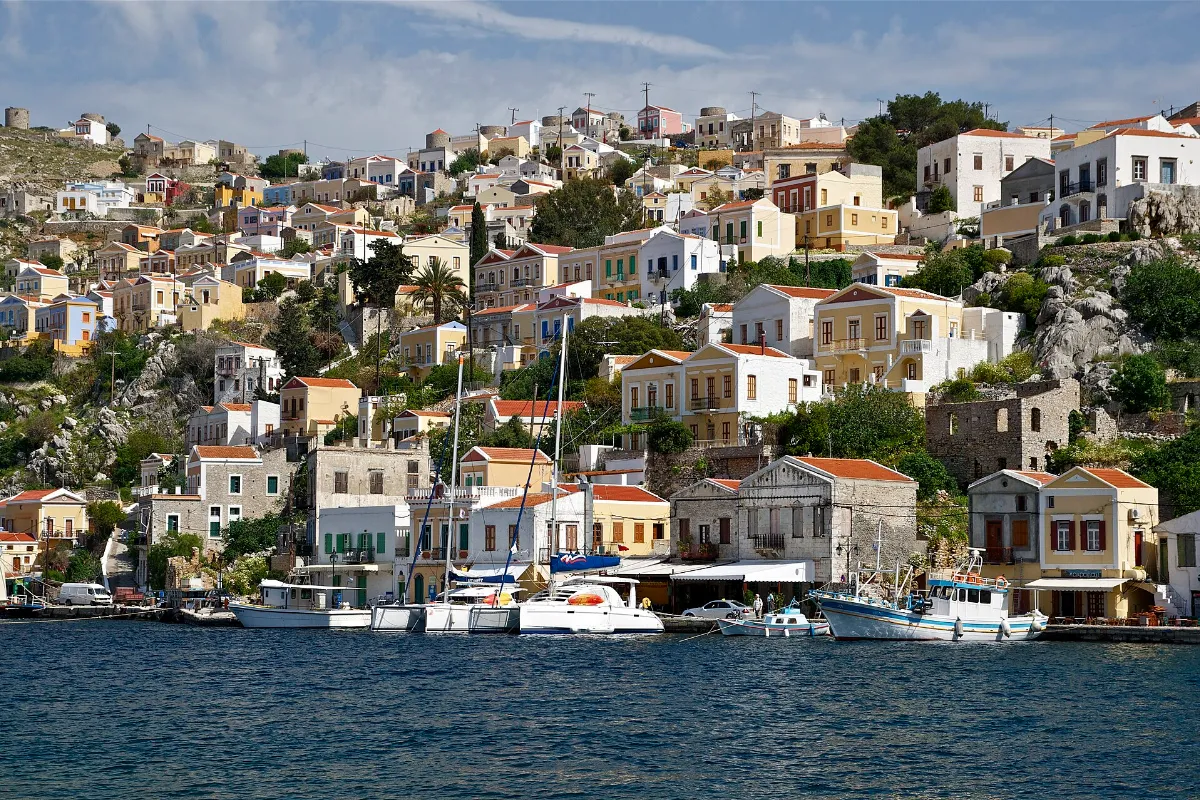
A harbour of colourful houses, the Kali Strata and Panormitis Monastery.
Ionian Islands
GREENERY, CLIFFS AND VENETIAN INFLUENCE
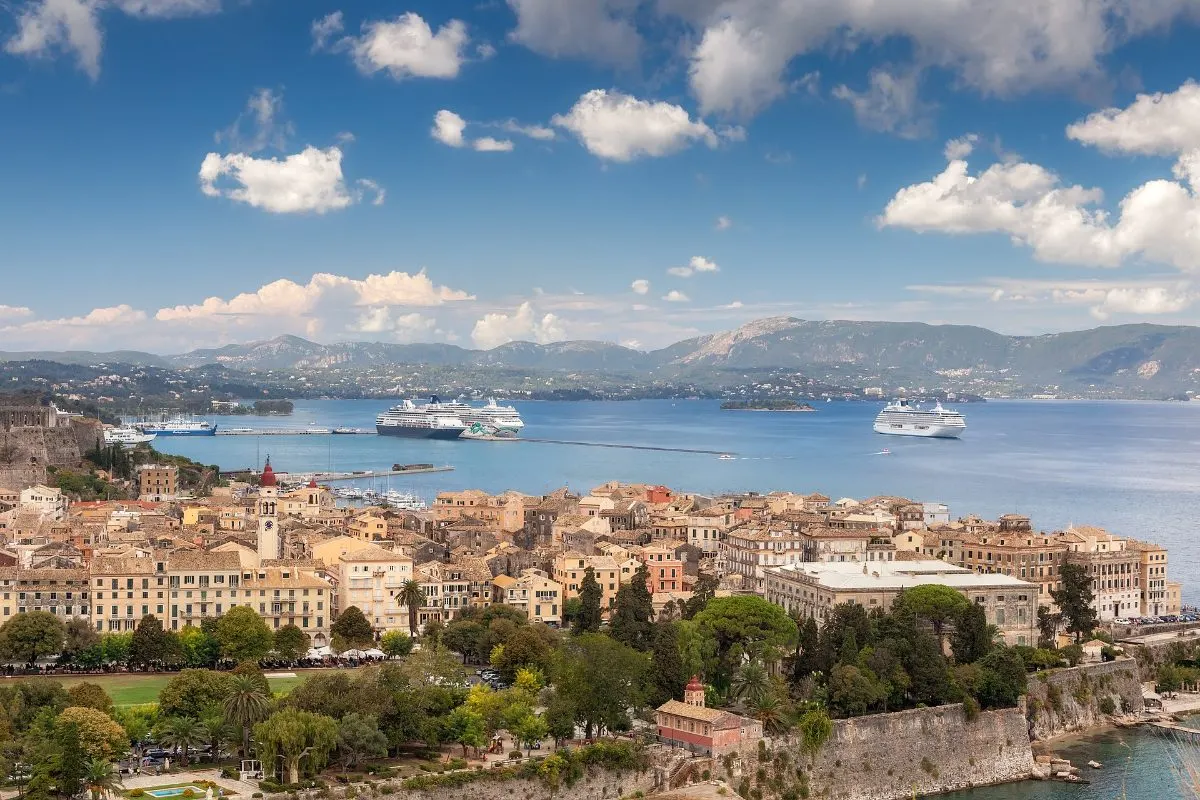
UNESCO-listed Venetian old town, coves and olive groves.
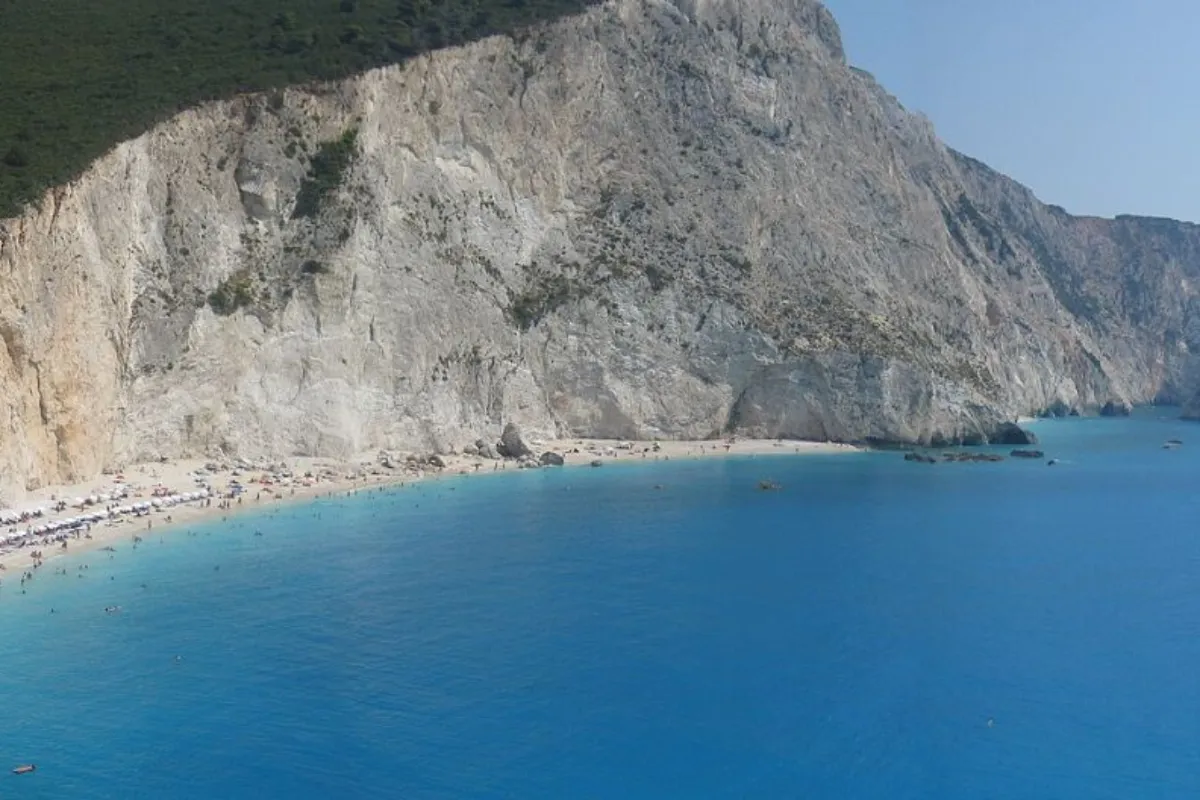
Porto Katsiki, Egremni and the Vasiliki wind, on the island linked to the mainland.
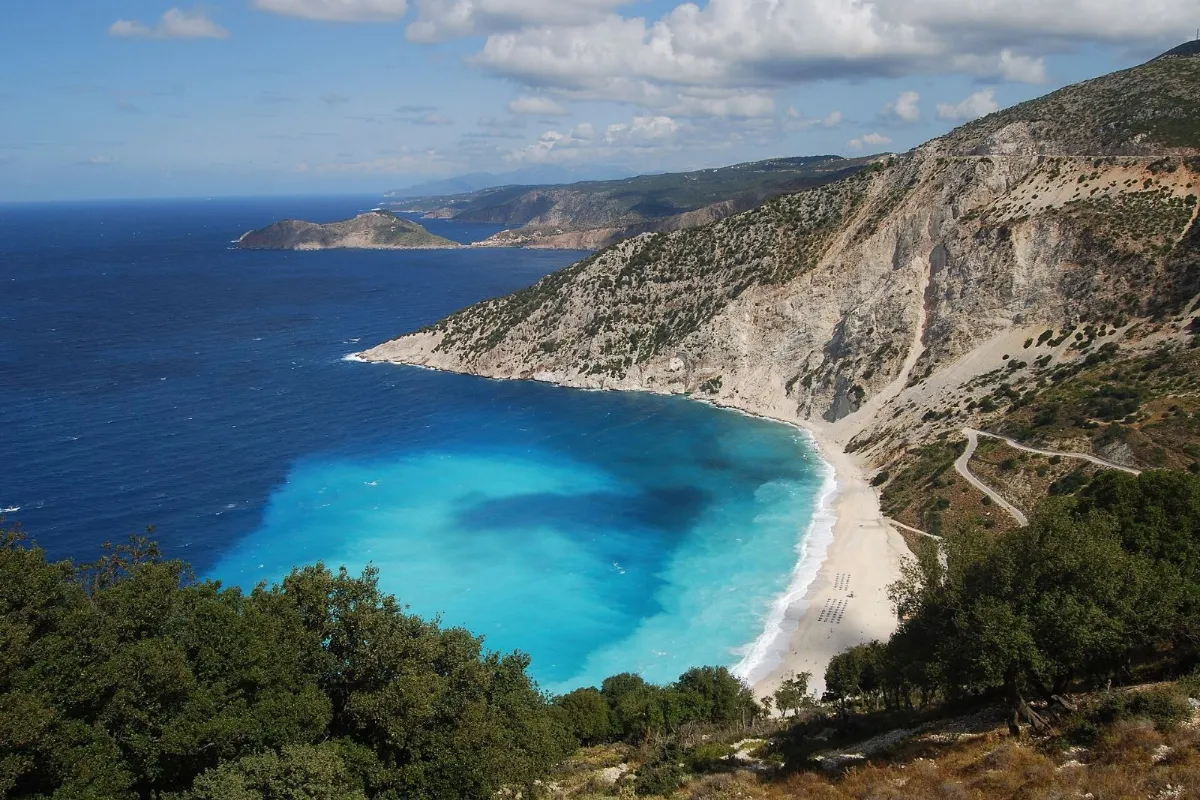
Myrtos Beach, Melissani Cave and the villages of Assos and Fiskardo.
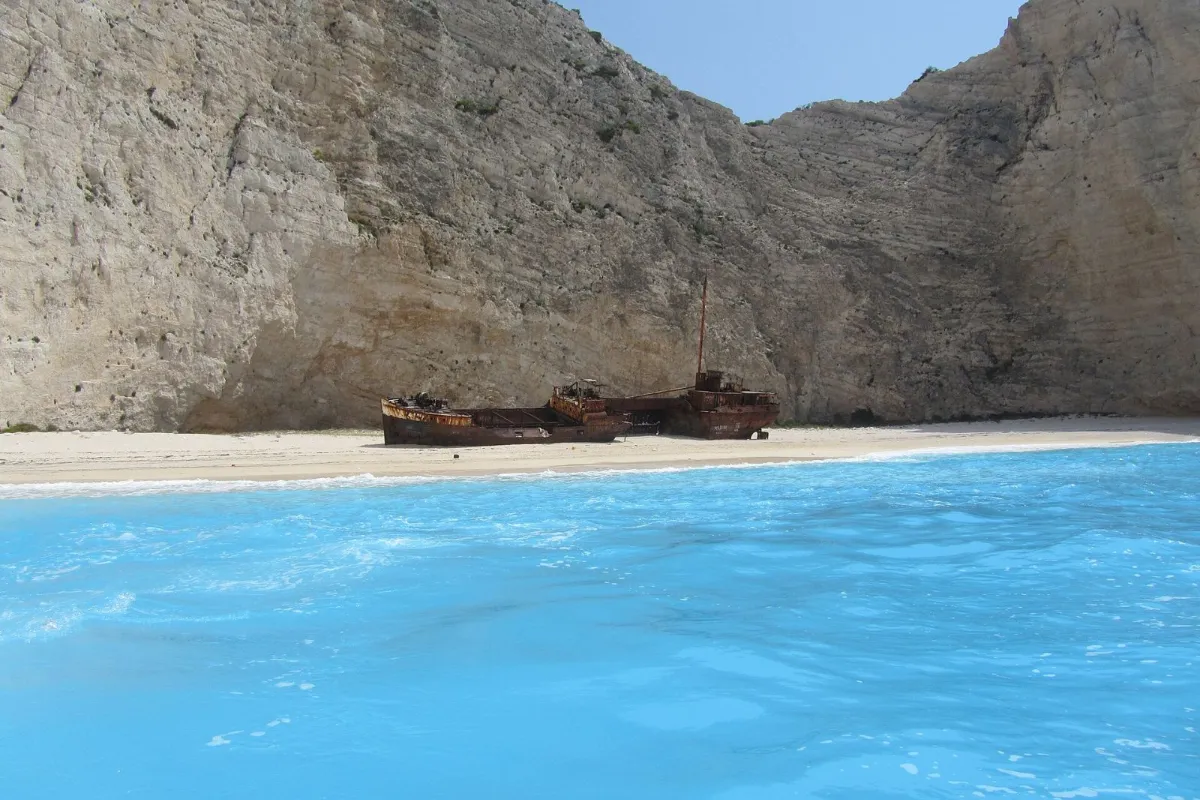
Navagio Beach, the Blue Caves and the turtles of Laganas.
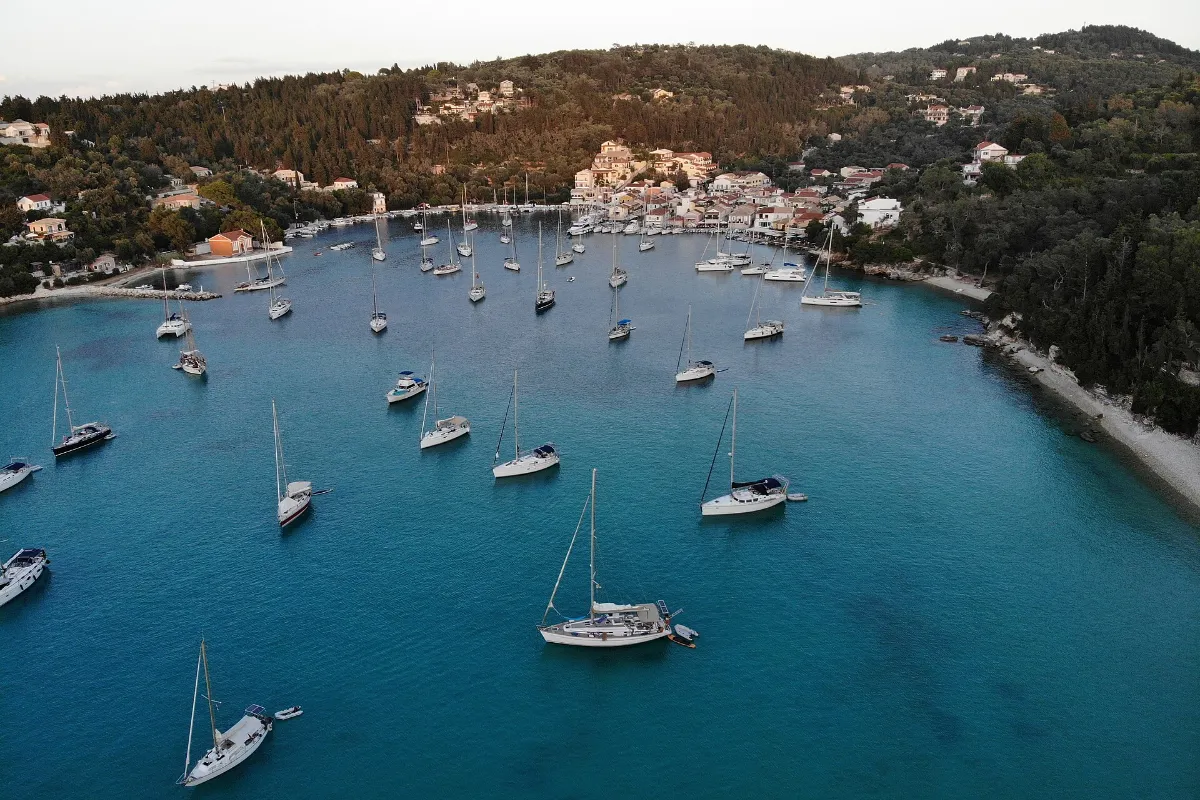
Olive groves, the harbours of Gaios, Loggos and Lakka, and Antipaxos's turquoise water.
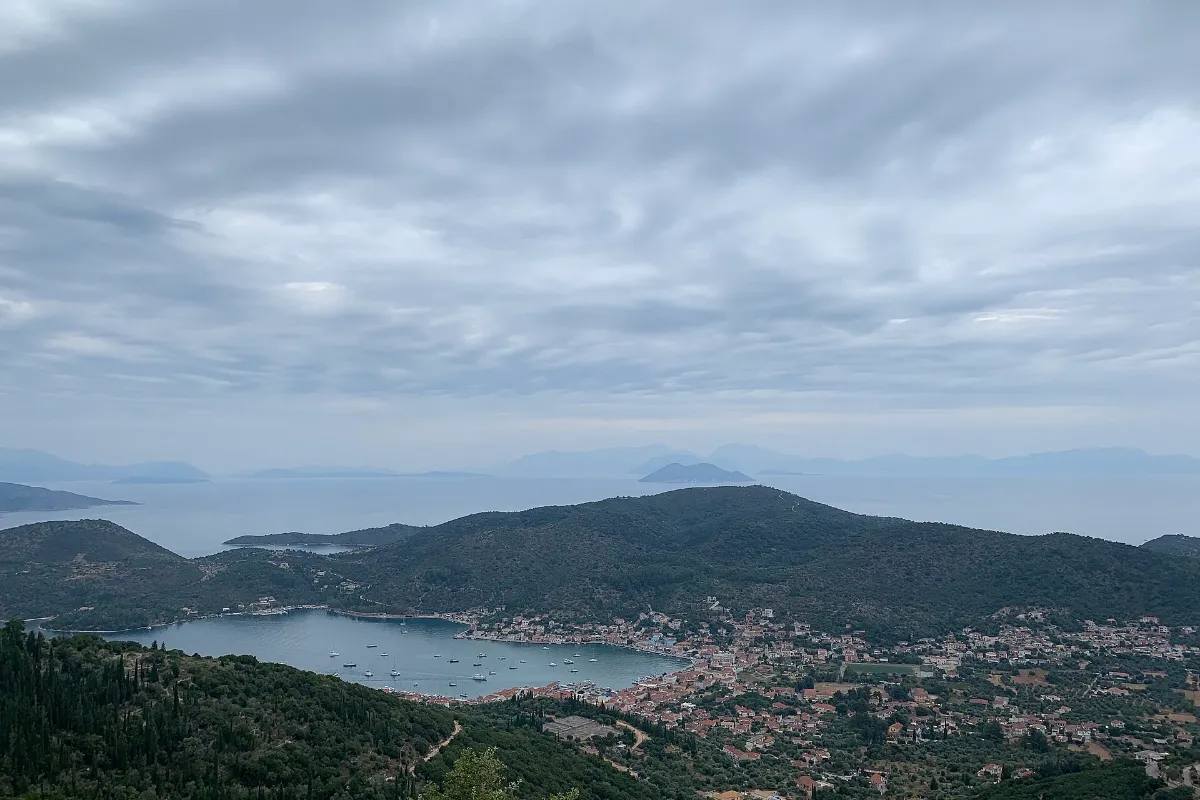
The island of Odysseus: Vathy Bay, Kioni, Frikes and the Homeric trails.
Sporades
PINE FORESTS AND COVES
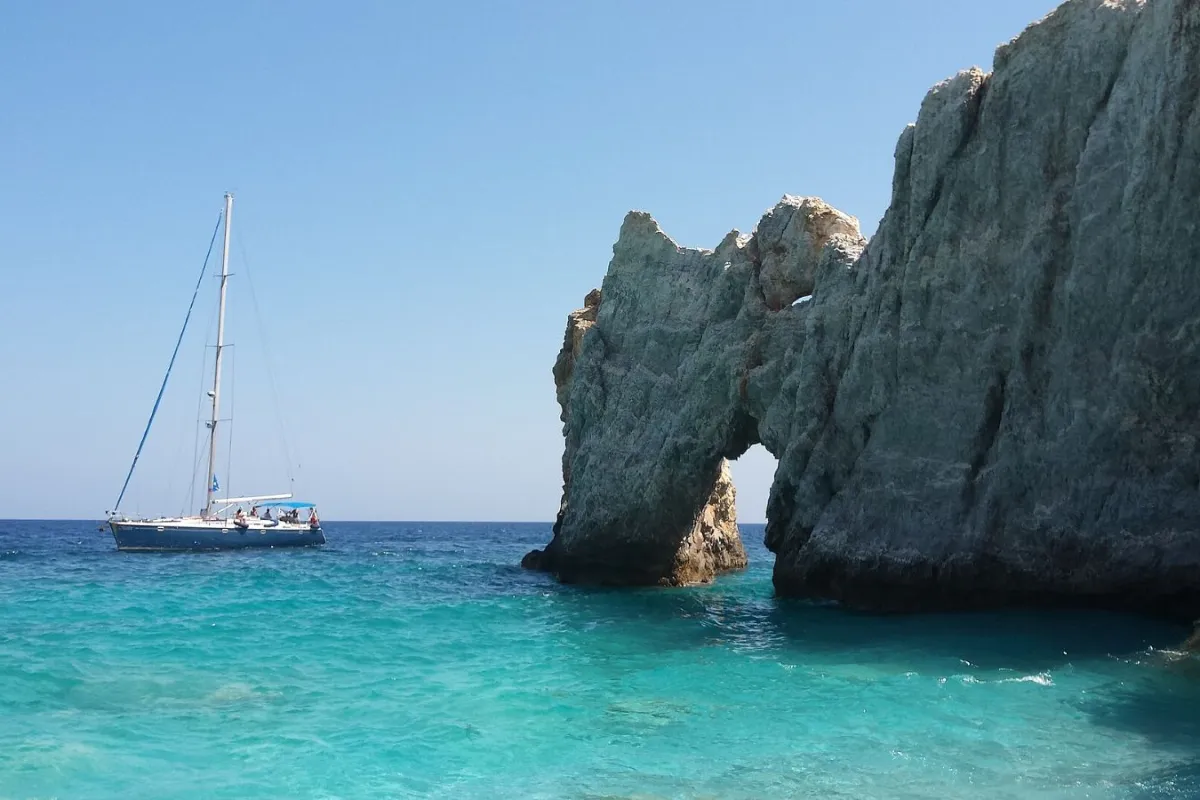
More than 60 beaches, the Koukounaries pine forest and Lalaria, reachable by boat.
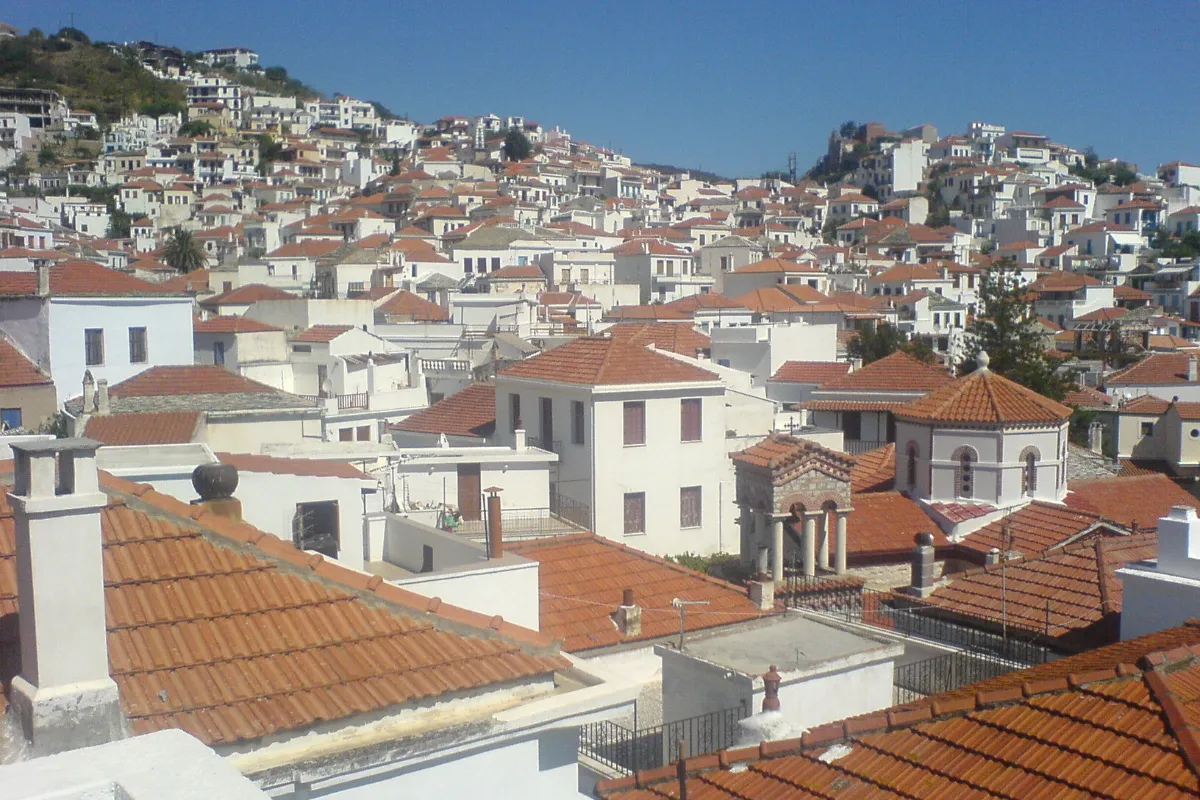
The greenest of the Sporades and the Agios Ioannis chapel from Mamma Mia!.
Saronic Islands
AN HOUR FROM ATHENS
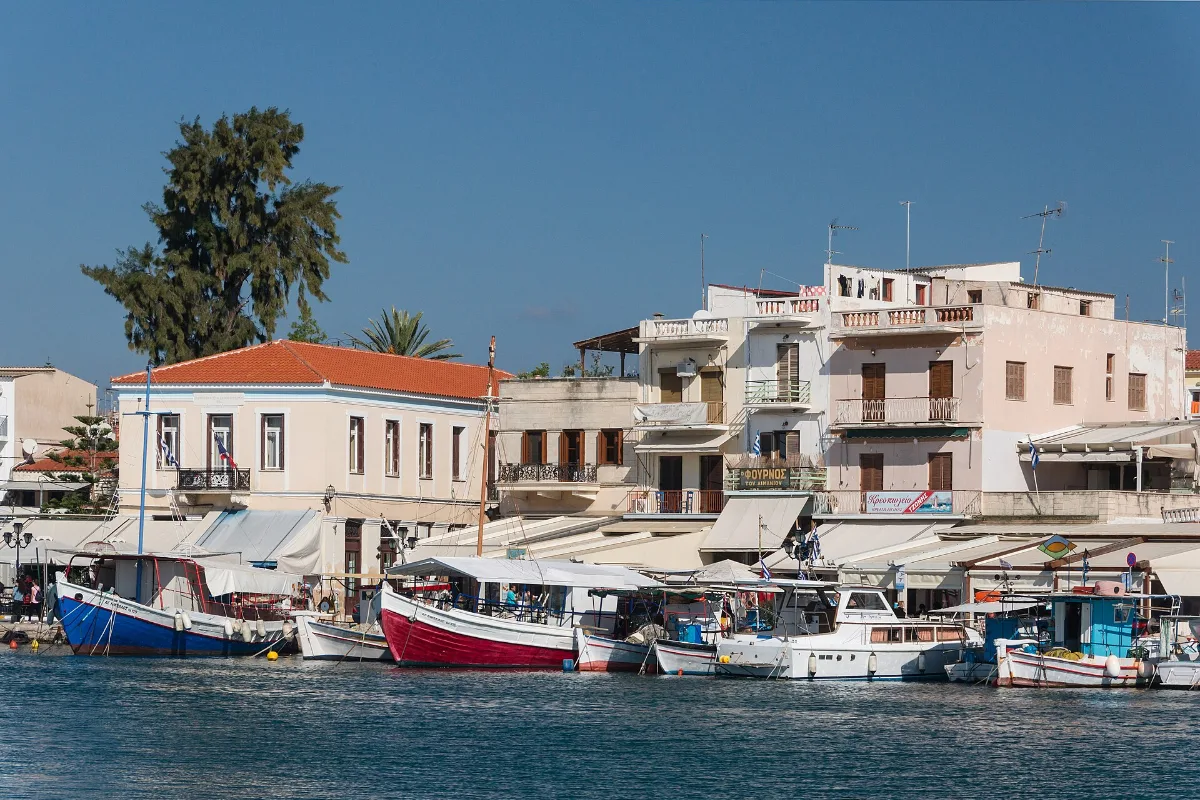
The pistachio island, less than an hour from Piraeus
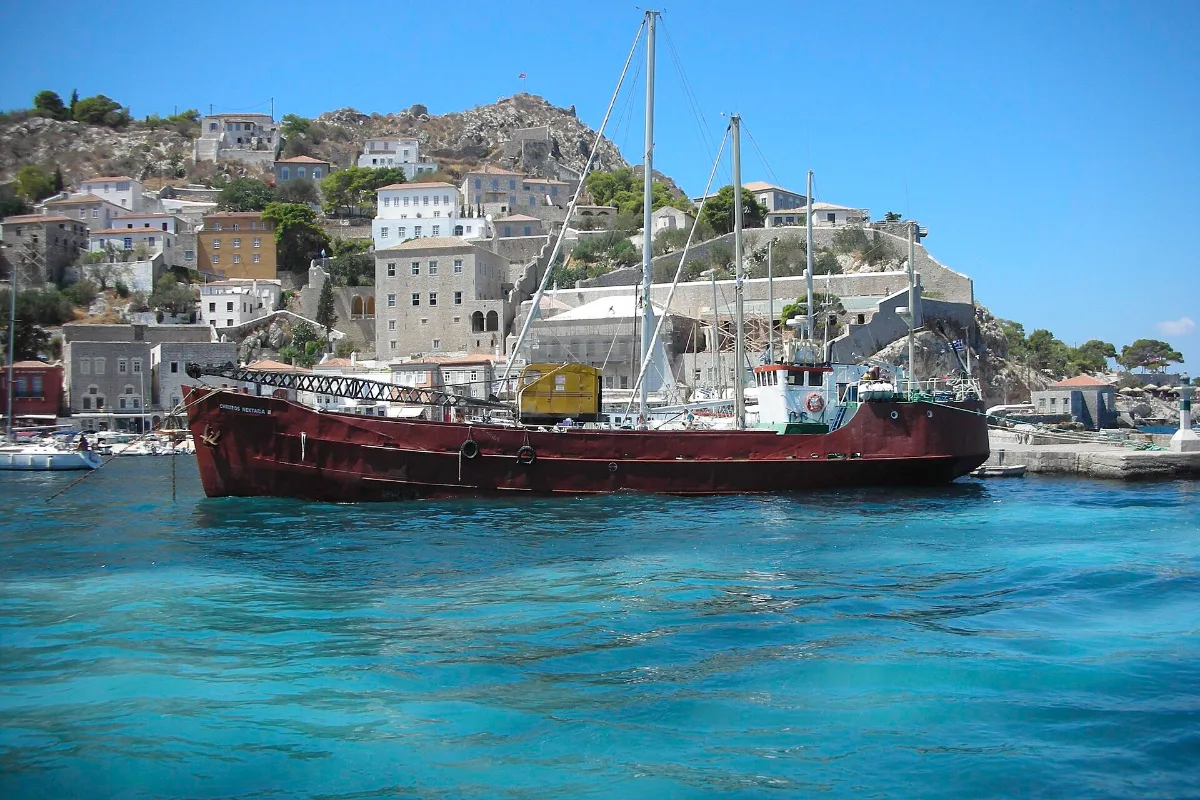
The car-free island of donkeys, water taxis and captains' mansions
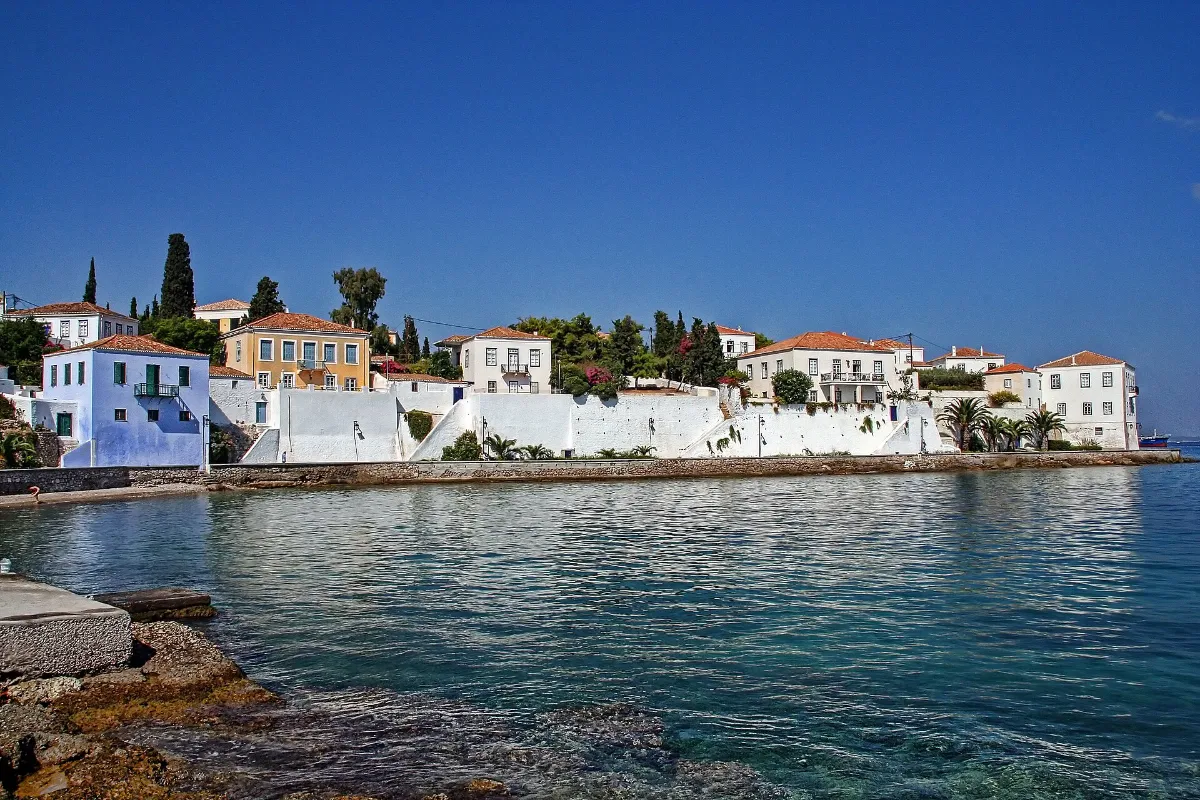
Shipowners' mansions, the Bouboulina Museum, carriages and seaside pine forests.
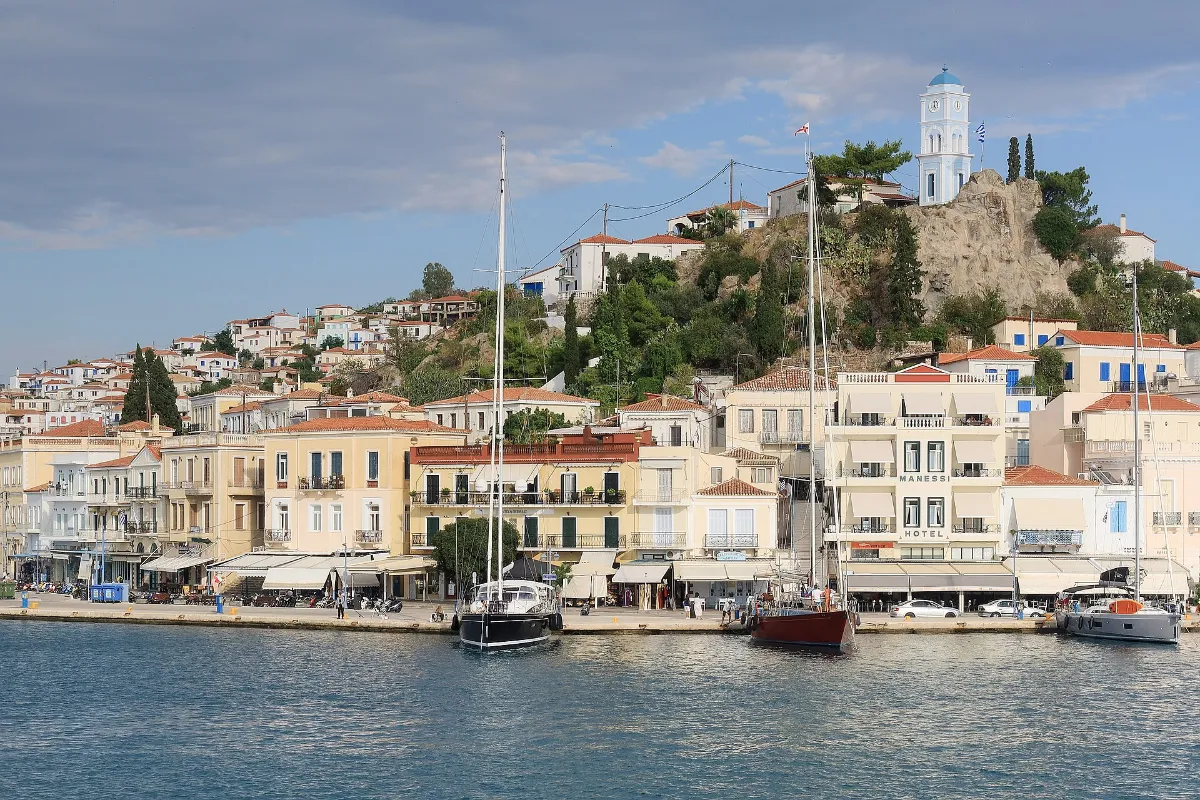
The clock tower, Love Bay and the lemon forest of Galatas across the water.
North Aegean
FORESTS, VINEYARDS AND ANCIENT SITES
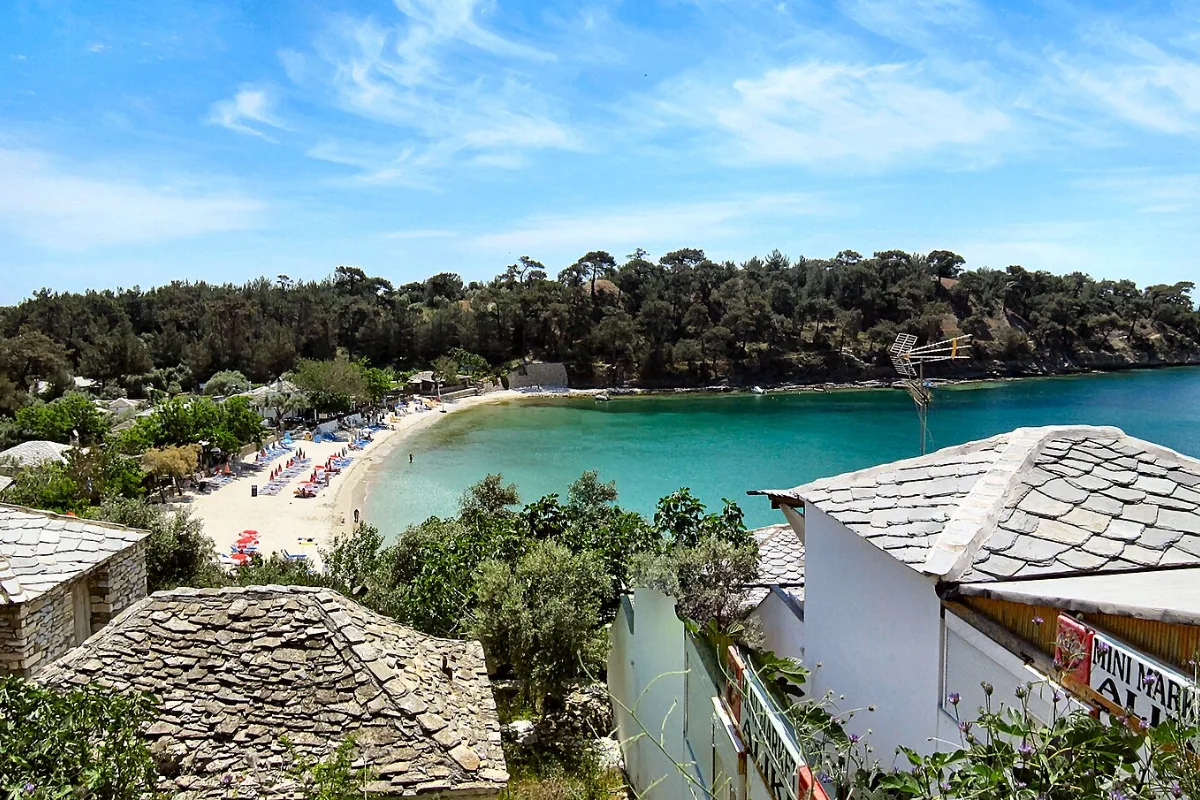
The green island of the Aegean: pine forests, white marble and turquoise water
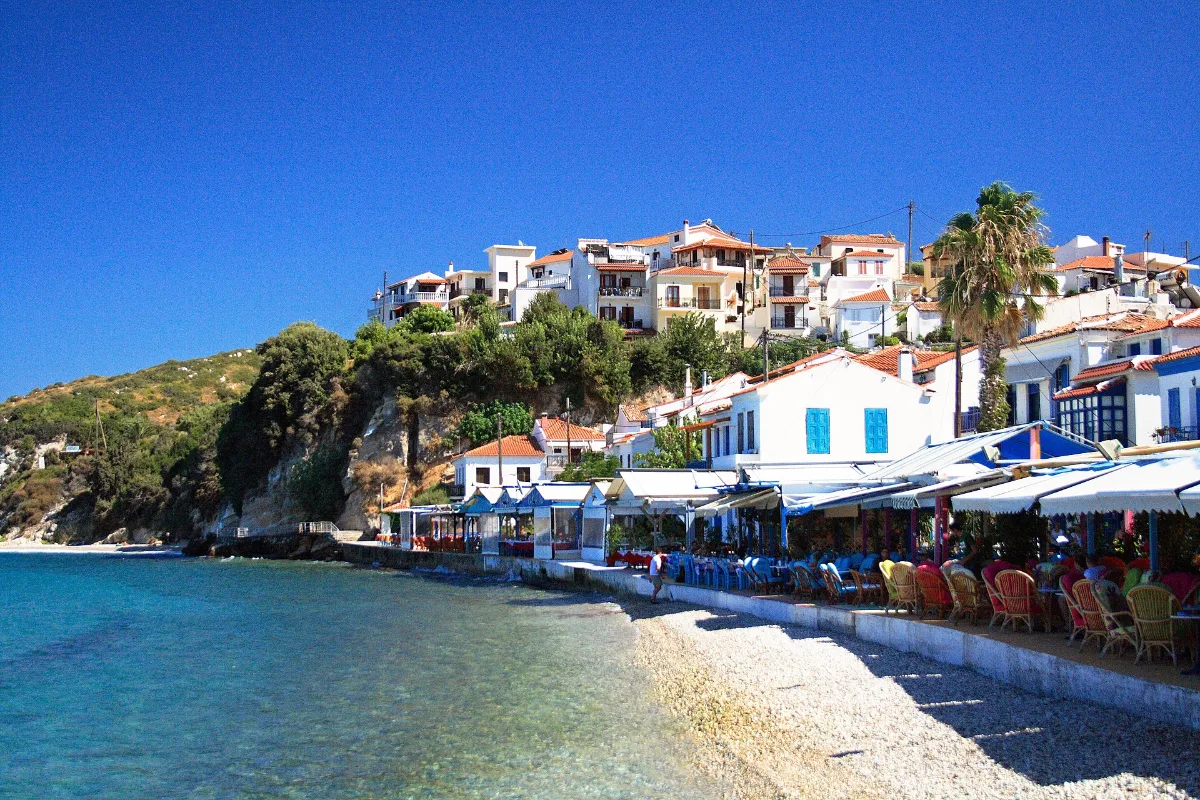
The island of Pythagoras, ancient Hera and Muscat wine
Your questions answered
How many islands does Greece have?
About 6,000 islands and islets, just over 200 of which are inhabited. They are grouped into large sets: the Cyclades, the Dodecanese, the Ionian Islands, the Sporades, the Saronic and North Aegean islands, not forgetting Crete and Evia.
Which Greek island should you choose for a first trip?
Crete for variety (beaches, mountains, Minoan sites), Naxos or Paros to discover the Cyclades with the family, Santorini for the scenery, Corfu or Kefalonia for greenery. Rhodes and Kos combine history and beaches, with many direct flights.
Can you visit several islands in one trip?
Yes, as long as you stay within the same archipelago: for example Paros, Naxos and Santorini, or Kefalonia and Zakynthos. Allow at least three or four nights per island so you don't spend your holiday in ports.
When should you avoid the Greek islands?
From November to March, many hotels and restaurants close on the small islands and ferries become scarce. In high summer, from late July to mid-August, heat, crowds and prices peak.
Photo : Oia, Santorini — Norbert Nagel, CC BY-SA 3.0, Wikimedia Commons