⚠️ Opening hours, prices and access conditions may change without notice, for reasons beyond our control (season, weather, decisions by operators, establishments or local authorities). Before each trip, check the information with the relevant authorities and service providers. Entry formalities and local rules (reserves, quotas) are subject to the same caveats.
With more than 7,600 islands stretching over almost 1,800 kilometres, the Philippines is one of the largest archipelagos in the world. The turquoise lagoons of Palawan, the white sand of Boracay, the hills of Bohol and the waves of Siargao: each island has its own character, and the warm welcome of Filipinos, almost all of whom speak English, makes travelling easy.
The Philippines at a glance
Click an orange island to open its guide. Blue figures show direct flight times from Manila; arrows show flight times to major Asian cities and to the stopovers for Europe.
Base map: Natural Earth (public domain)
The Philippines, an archipelago of 7,600 islands
The country is divided into three main groups: Luzon in the north, the largest island, home to the capital Manila; the Visayas in the centre, a mosaic of medium-sized islands such as Panay, Cebu, Bohol and Negros; and Mindanao in the south. To the west, Palawan stretches alone between the South China Sea and the Sulu Sea.
For a first trip, most travellers combine two or three islands linked by short domestic flights: Palawan for the scenery, for example, then Boracay or Bohol for the beach.
When to go to the Philippines
The best time is from December to May, during the dry season: the sea is calm and the sky often clear, with temperatures climbing in April and May. From June to November, the south-west monsoon brings rain and typhoons are possible, especially from August to October in the north and centre.
Each island has its nuances: in Boracay, White Beach is at its best from November to May; in Siargao, the big surf swells arrive mainly between September and November.
How to get to the Philippines from Europe
There is no direct flight from most of Europe: you reach Manila (MNL) or Cebu (CEB) with one stopover, for example in Doha, Dubai, Singapore or Hong Kong, in about 16 to 20 hours. A domestic flight then takes you to the island of your choice.
For Palawan, Boracay and Bohol, allow about an hour to an hour and a half of flying from Manila; Siargao is reached in just under two hours, or via Cebu.
Formalities and safety
Most EU and UK citizens enter visa-free for tourist stays of up to 30 days, with a passport valid six months beyond departure and an onward ticket. The free eTravel arrival declaration is completed online within 72 hours before arrival.
Some regions in the south of the country are subject to government travel warnings. Always check your government’s travel advice before you go: it details the areas concerned.
Travelling between the islands
Flying is the fastest option: Philippine Airlines, Cebu Pacific and AirAsia link Manila and Cebu with the main islands, and AirSWIFT serves El Nido. Fast ferries complete the network in the Visayas, for example between Cebu and Bohol.
On the ground you get around by tricycle, jeepney or van, and set off on the traditional outrigger boat, the bangka, for island hopping. In typhoon season, keep a spare day before your flight home.
Budget, money and etiquette
The currency is the Philippine peso (PHP). Cards are accepted in hotels and larger restaurants, but cash remains essential for tricycles, small places and local fees, such as the environmental fee in Boracay or El Nido.
Filipinos are known for their kindness; modest dress is appreciated in churches, which are everywhere in this largely Catholic country.
Key facts
| Capital | Manila |
|---|---|
| Islands | More than 7,600, spread between Luzon, the Visayas and Mindanao |
| Languages | Filipino and English (official languages), plus many regional languages |
| Currency | Philippine peso (PHP) |
| Time difference | UTC+8, no daylight saving time |
| Formalities | Passport valid 6 months beyond your stay, visa-free up to 30 days for most EU citizens, eTravel declaration before arrival |
| Electricity | 220 V, type A, B and C sockets |
| Best time | December to May, dry season |
The islands of the Philippines on Dem-Tukki
Luzon
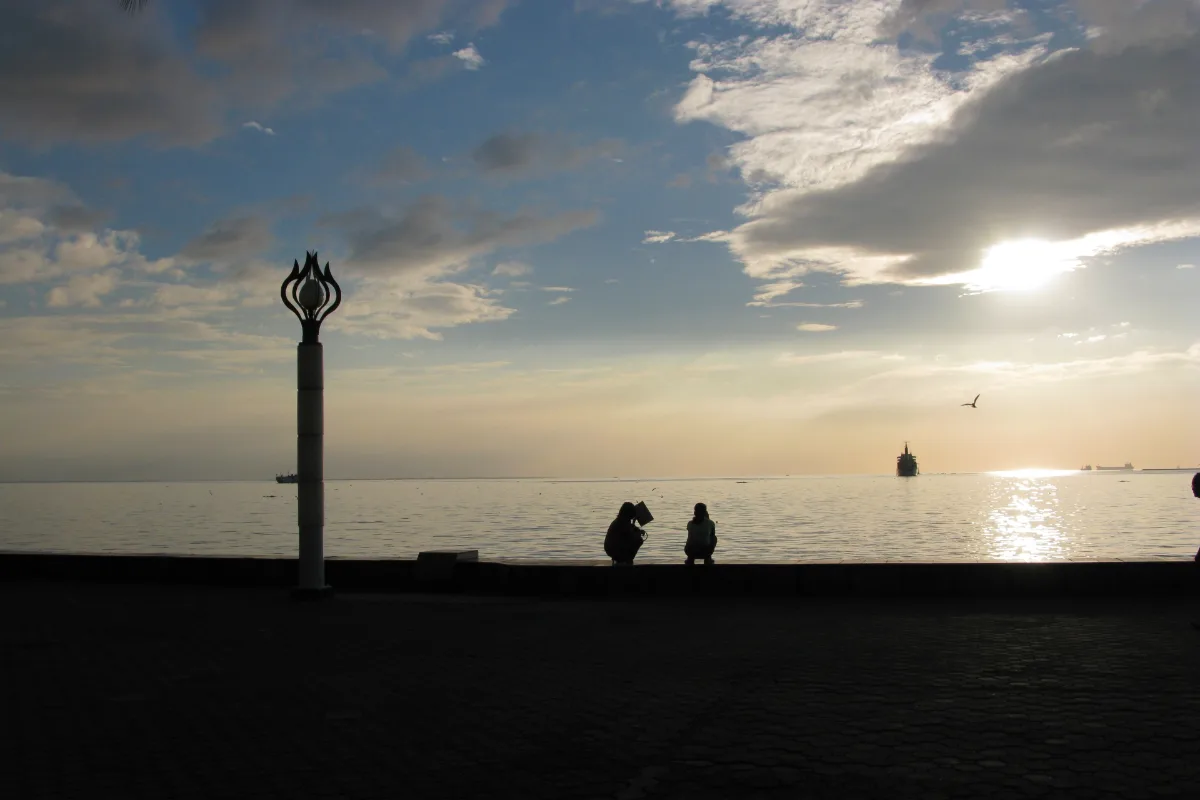
The capital, Intramuros and Binondo
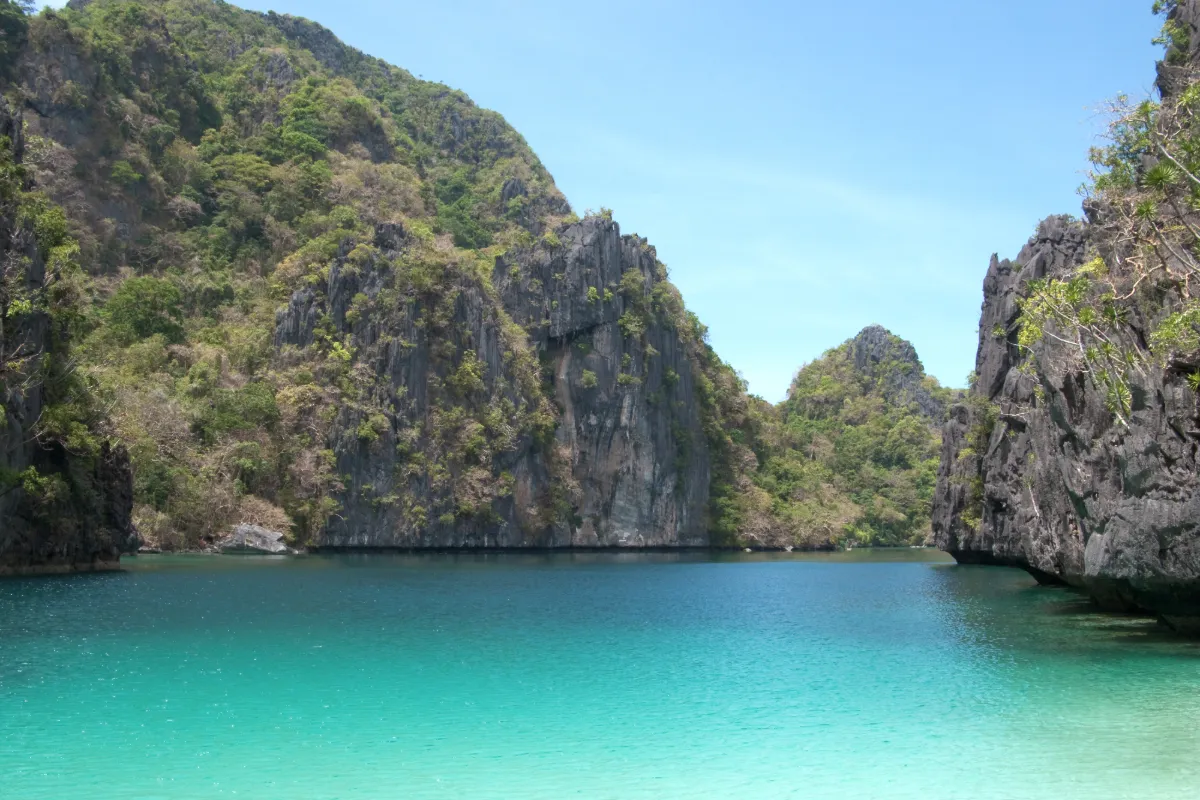
Palawan and the Sulu Sea
Lagoons, limestone peaks and wrecks
Visayas
White-sand beaches, diving and hills
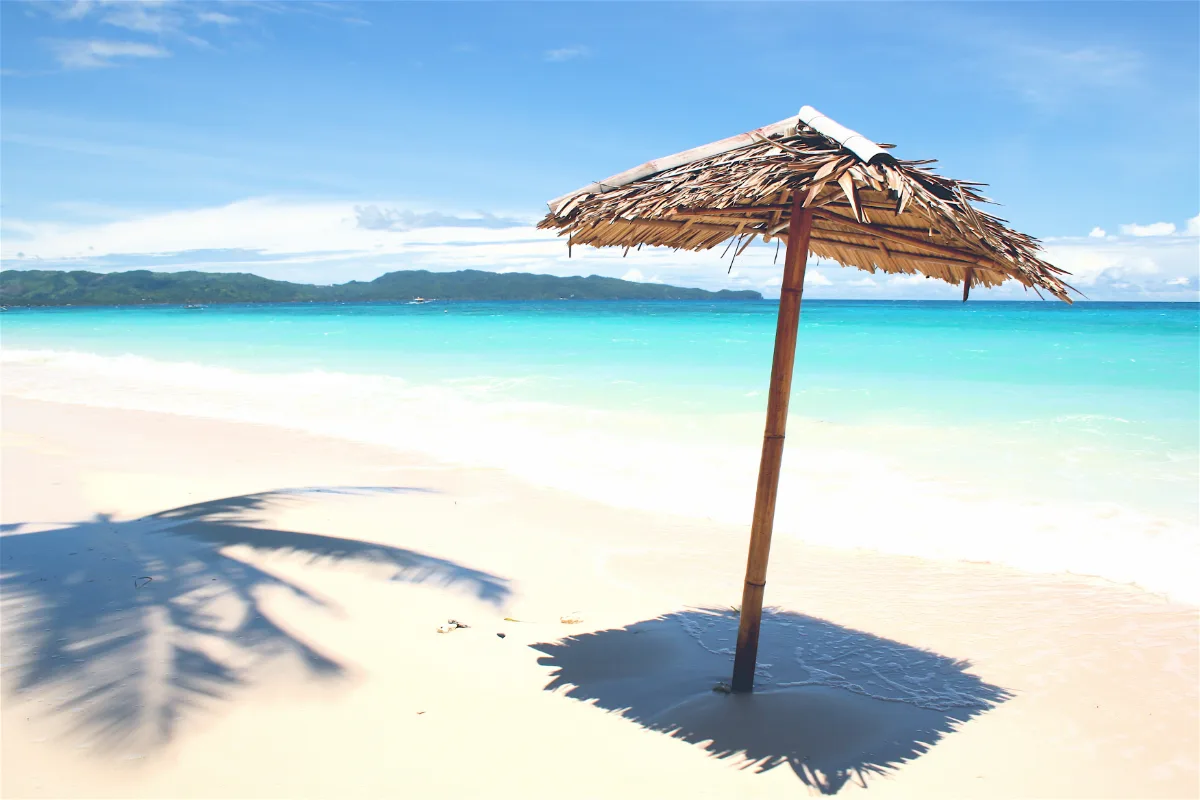
White Beach, paraw sails at sunset and kitesurfing at Bulabog.
Sardine runs in Moalboal, thresher sharks off Malapascua and the old Spanish city.

Cambugahay Falls, Lazi church and Holy Week healers

White Island, Hibok-Hibok volcano and the Sunken Cemetery
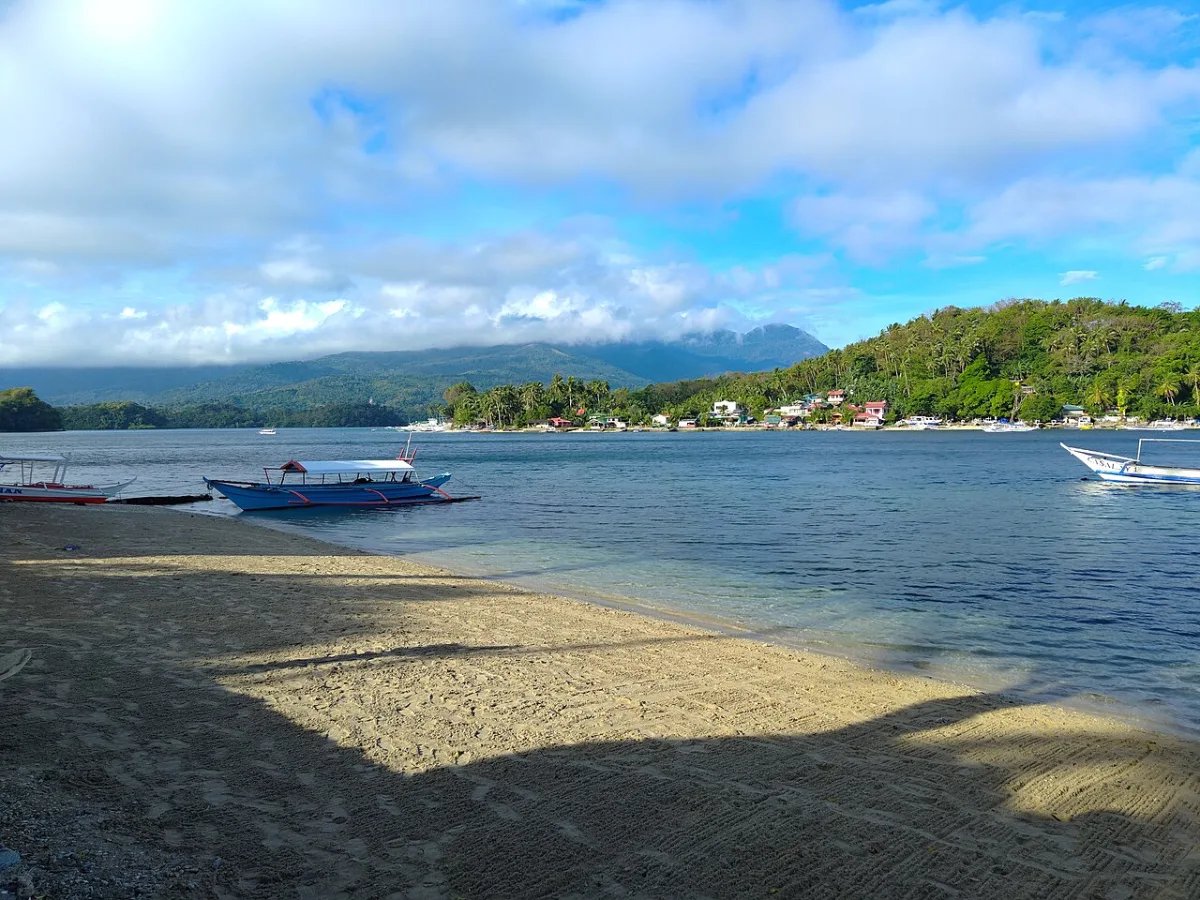
Puerto Galera Bay, diving at Sabang and White Beach

Dumaguete, diving in Dauin and the Apo Island sanctuary

Chocolate Hills, tarsiers, the Loboc river and diving at Balicasag.
Mindanao
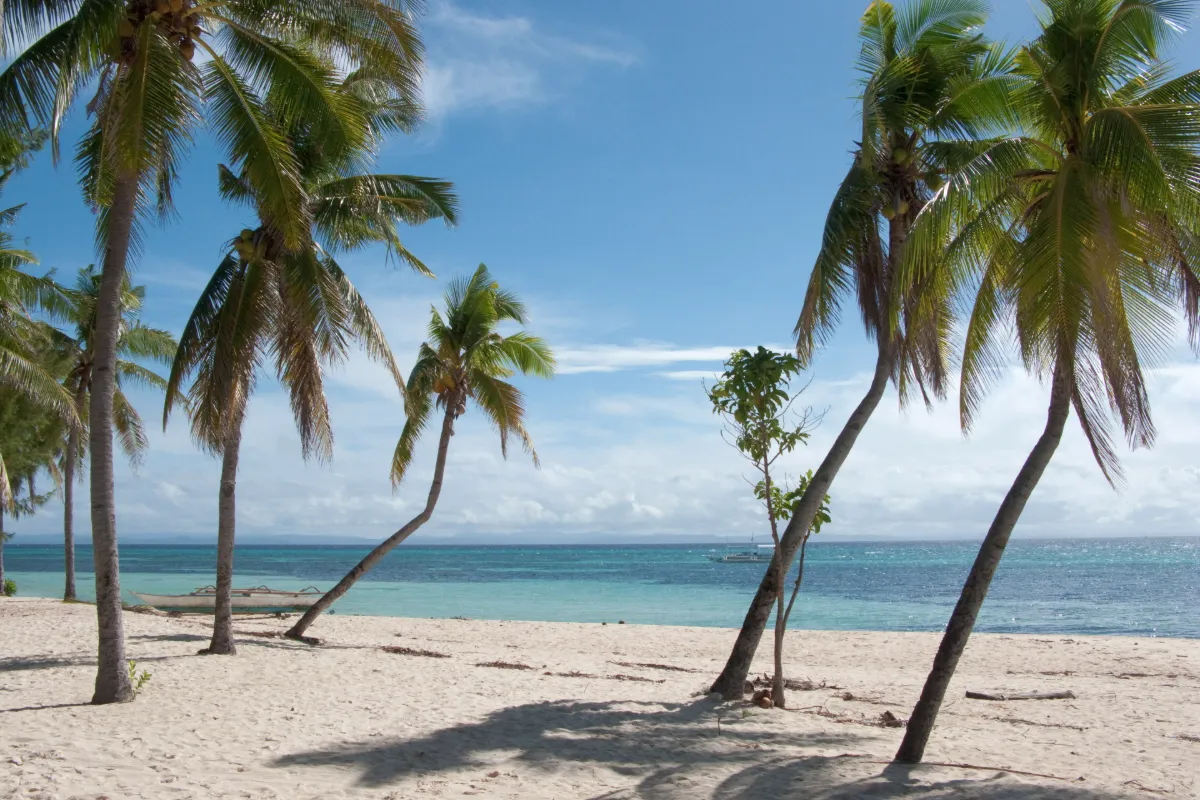
Surf, lagoons and coconut groves
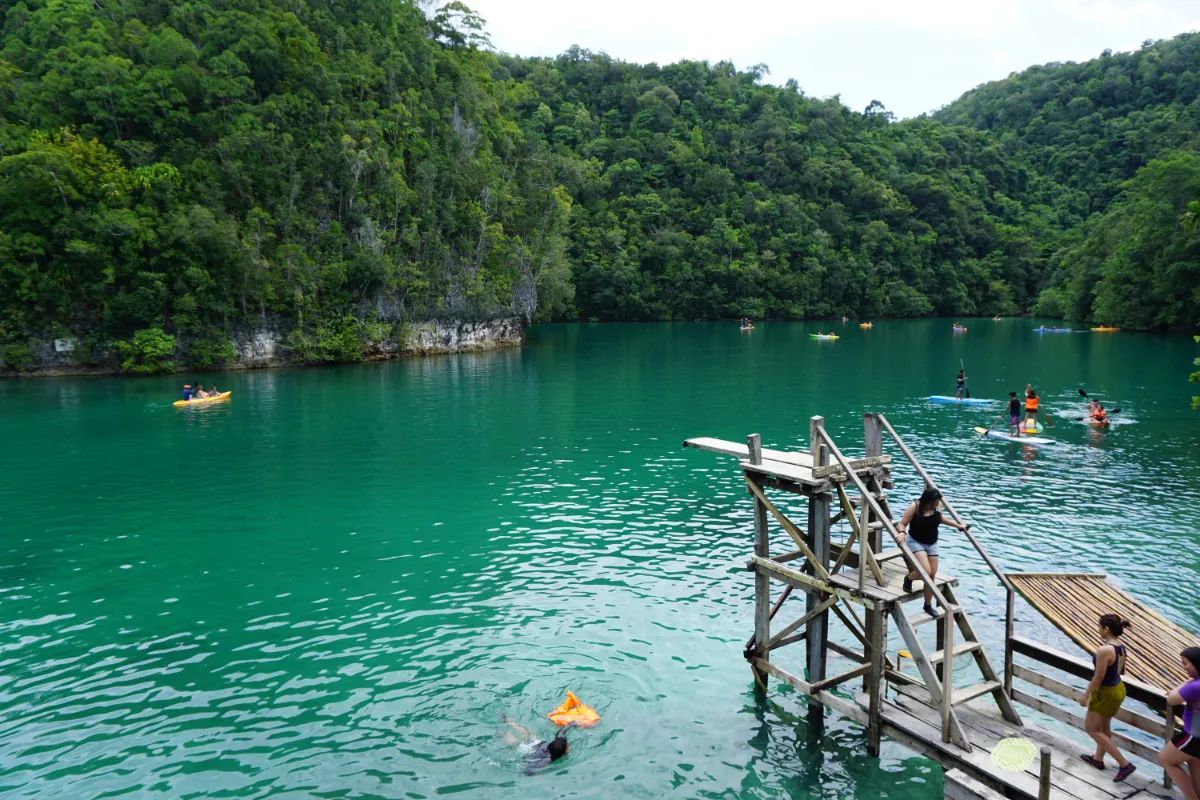
The surf capital of the Philippines, between the Cloud 9 waves, lagoons and palm-covered islets.

Monfort bat cave, Hagimit Falls and the islets of Talikud
Your questions answered
How many islands are there in the Philippines?
The archipelago has more than 7,600 islands, in three main groups: Luzon in the north, the Visayas in the centre and Mindanao in the south. Only a few hundred are permanently inhabited.
Which island should I choose for a first trip to the Philippines?
For beaches, Boracay is the easiest to reach and the best equipped. For scenery, Palawan, with El Nido and Coron, is the most spectacular. Bohol combines beaches, diving and inland sights, and Siargao attracts surfers and those looking for a laid-back vibe.
Do I need a visa for the Philippines?
Most EU and UK citizens enter visa-free for tourist stays of up to 30 days, with a passport valid six months beyond departure and an onward ticket. The online eTravel declaration is mandatory within 72 hours before arrival.
When should I avoid travelling to the Philippines?
The typhoon season runs roughly from June to November, peaking from August to October, especially in the north and centre of the country. Flights and ferries may then be cancelled: build some slack into your itinerary.
Photo: Lyndon Aguila, CC BY-SA 4.0, Wikimedia Commons